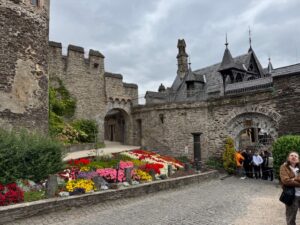
You are currently viewing The Open Air Museum- ROME, Italy

The Open Air Museum- ROME, Italy

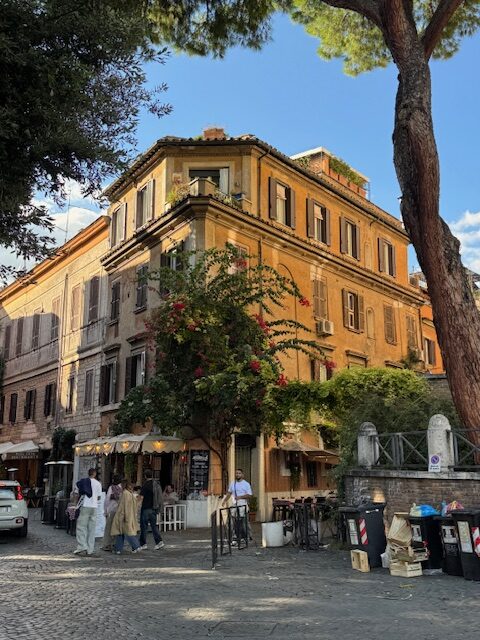
I’m not sure how to describe the feeling of being in Rome. It is a sense of something bigger than yourself. You feel insignificant in the grand scheme of life when thinking about the historical events and people of Rome. The city has buildings that were shaped around the time of Christ. Emperors they still talk about that lived before Christ. Building design that today’s architects can’t figure out. Art that speaks volumes. And of course food that is out of this world. 

We walked for four days to see as much as we could, and at the end my body ached with both pain and contentment. I am so thankful to have experienced this city which is the baseline of almost all societies, this creator of language and culture, this entity who knows the extremes in both love and war. 

The feeling of walking down the Roman streets is a very spiritual one. I would think even the non-spiritual person could feel it. You can sense the millions of people that walked the streets before you. And the catholic faith is at the core. There are churches everywhere, big, little, fancy and plain. I was actually surprised by how much the Romans still value the many churches. And they expect everyone to be reverent and respectful when entering them. 

The weather was beautiful for us every day. It was around 70 degrees and sunny the whole trip. I am thankful for that. 

I have decided to share my trip day by day. So the order I present the Rome activities in is the order we experienced them. 

Day One

We flew to Rome early on a Thursday morning and landed before noon. The flight from Amsterdam to Rome is just under 2 hours. Seems like nothing compared to our flight to the United States. 🙂  We noticed right away that it was warmer and humid. We boarded a bus that takes tourists from the airport to the Vatican area, which is where our Airbnb was. The bus ride took almost an hour, and wasn’t overly scenic until the last 10 minutes when we got into the historical area. 

Our Condo

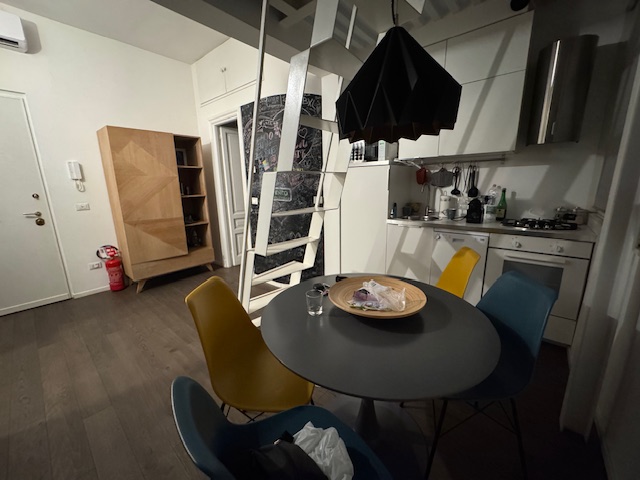
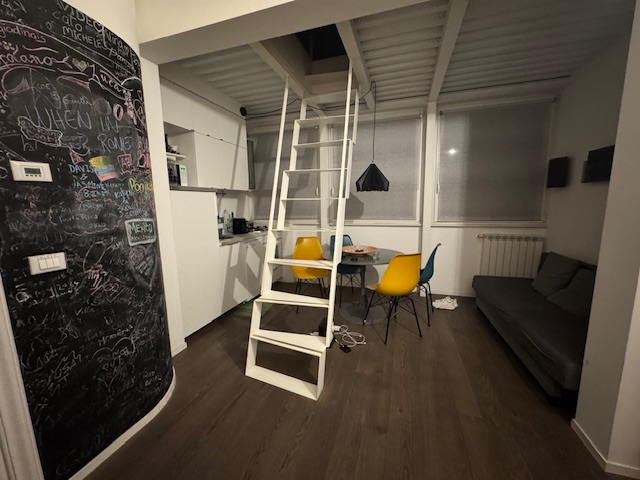
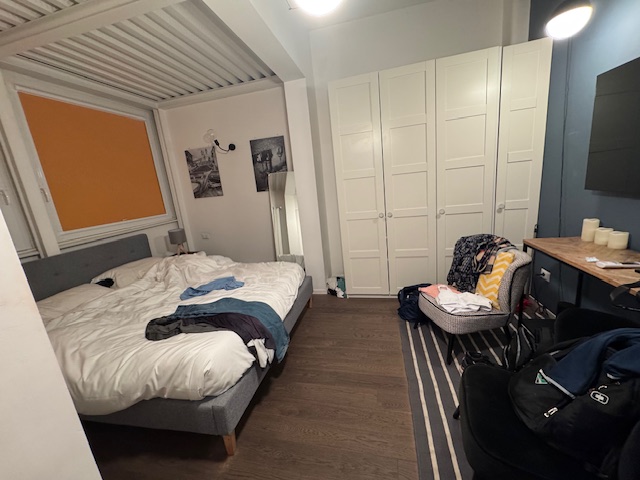
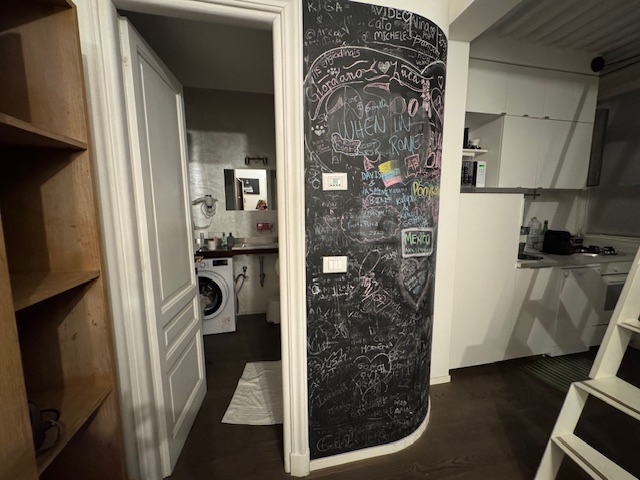
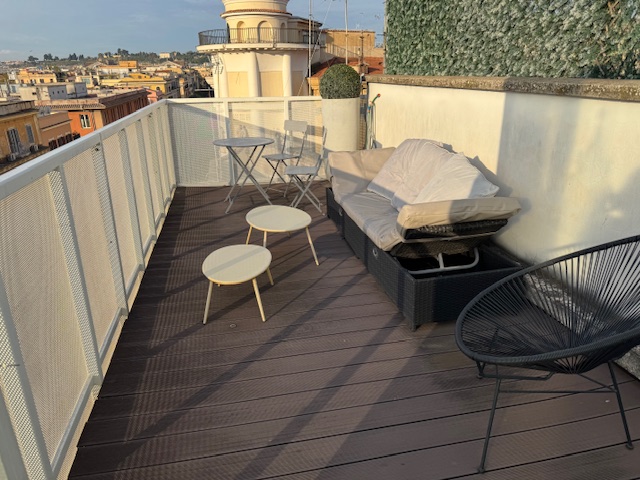
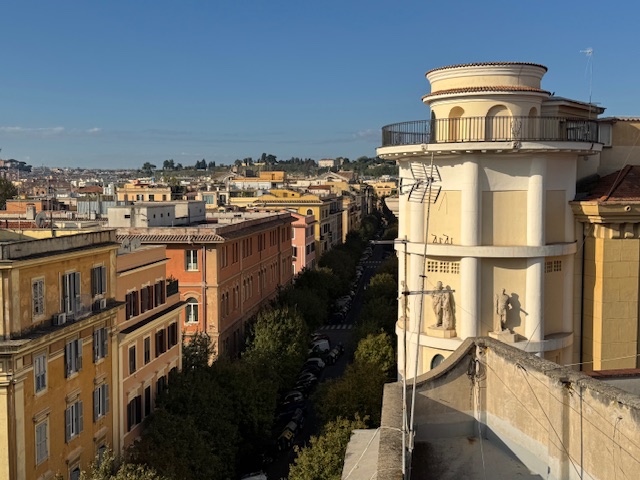
We had to walk 25 minutes to get to our Airbnb, pulling our suitcases. We grabbed something to eat at a local cafe and located our condo. We were really pleased with our place to stay!  There was an elevator to our top floor condo, and a roof top patio for relaxing. The ladder in the living room goes up to the rooftop patio.  

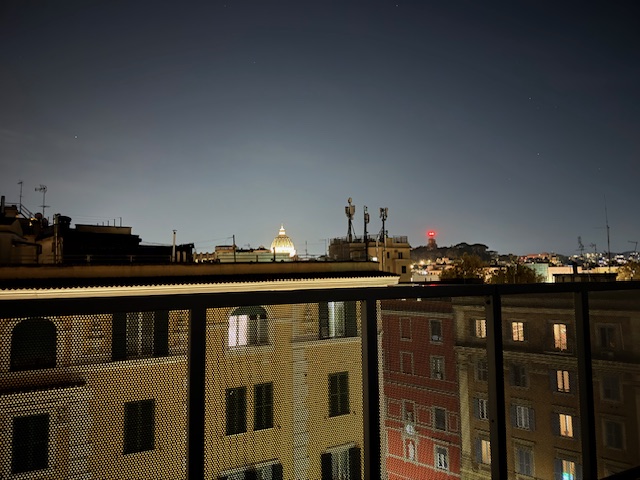
You can see St Peter’s Basilica from our rooftop patio. It is lit up in the distance. 

Food Tour

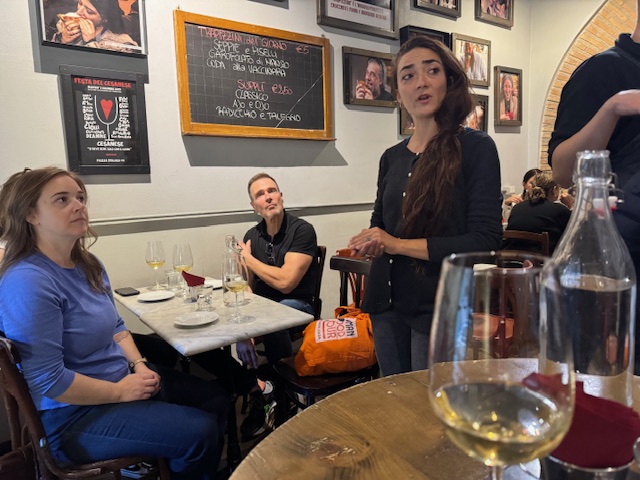
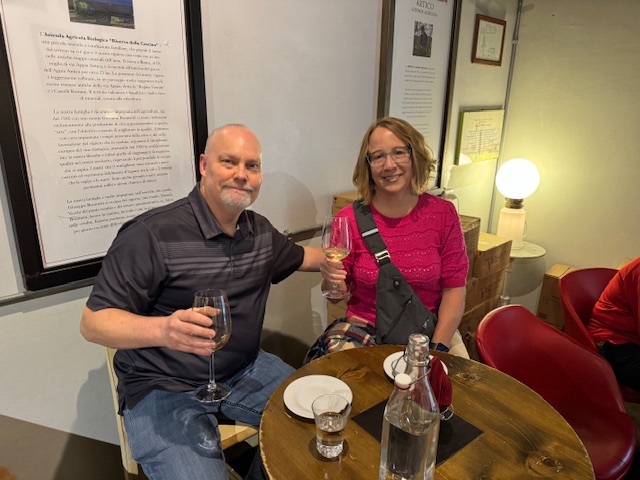
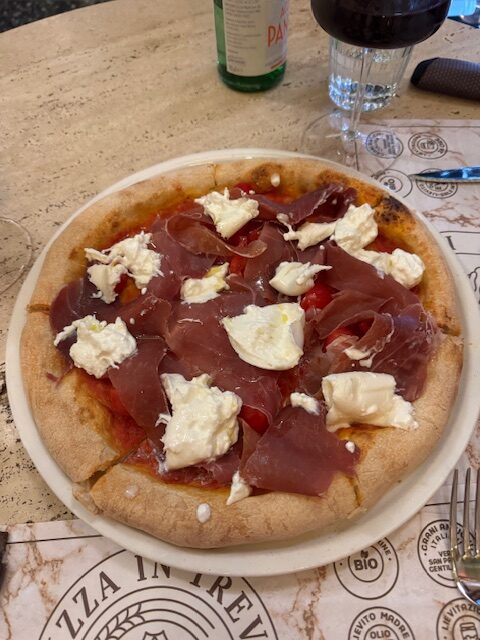
We have been booking food tours when we visit a new city. A guide takes you to several different restaurants of her choosing to introduce you to the local cuisine. It is a great way to get some walking in, see the area, and of course, try the food. 

Our guide introducing the evening. 

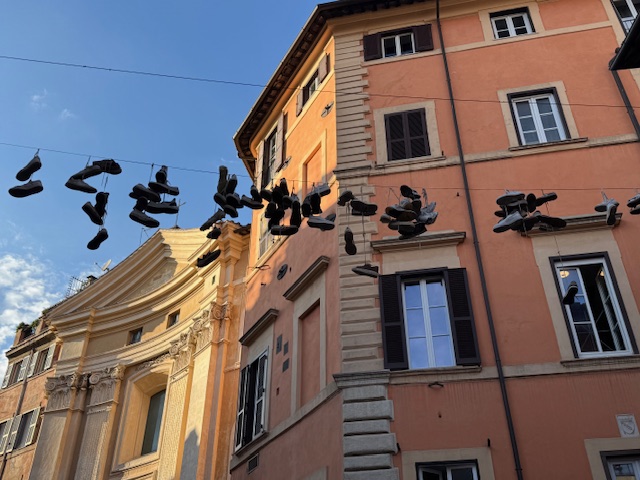
Not sure why the shoes hung by the electric wire, but found it entertaining. 

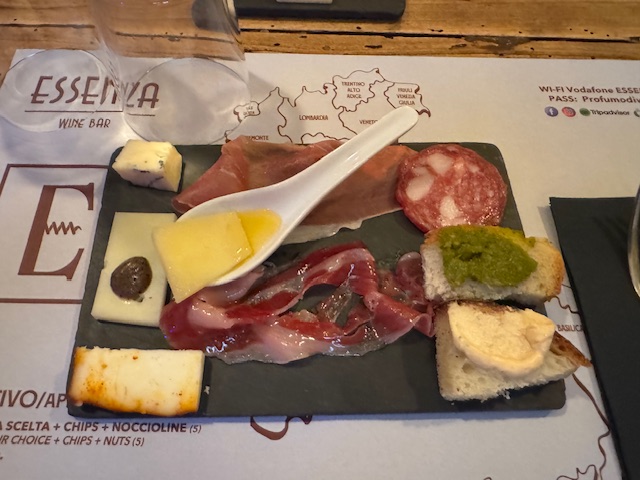
A fabulous selection of cheese, meat and oils.

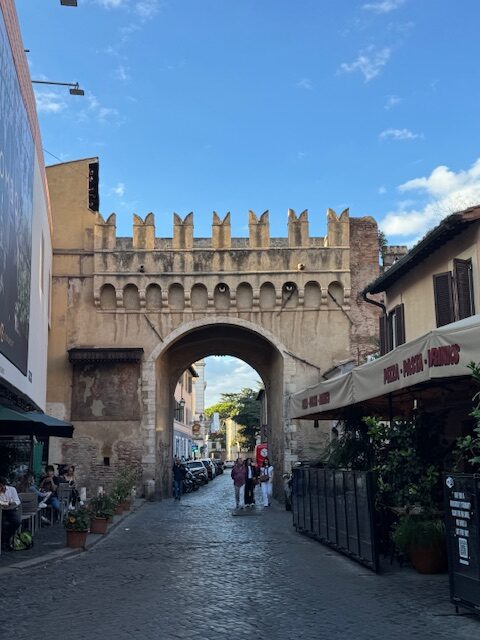
A small section of the old Roman city wall. 

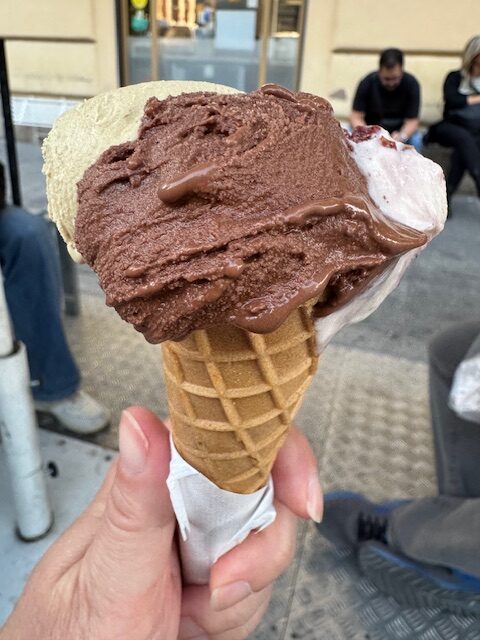
Of course, Gelato. I learned that not all Gelato is the same! We tried it from three different places during our trip and some were definitely better than others. 

Day Two

The Vatican Museums and St. Peter's Basilica

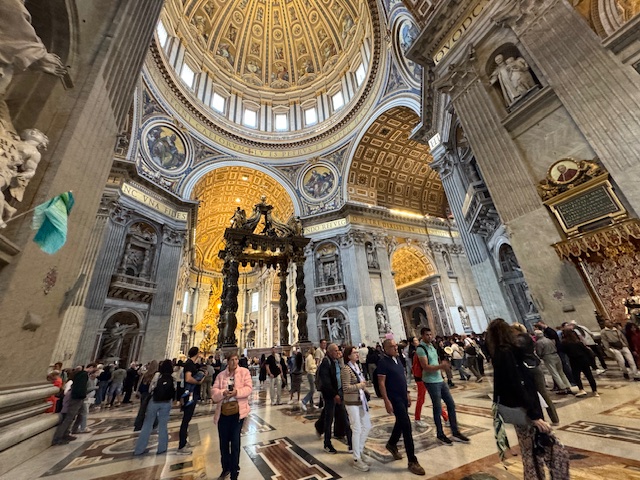
Even though the place where the Vatican is located is called Vatican City, it is actually it’s own independent country. It has its own government (with the Pope as head), license plates, bank, flag, and national anthem. Vatican City covers around 100 acres. The most famous building in Vatican City is St Peter’s Basilica. St Peter was crucified under Nero’s reign nearby the Vatican, and he is buried underneath the Basilica. 

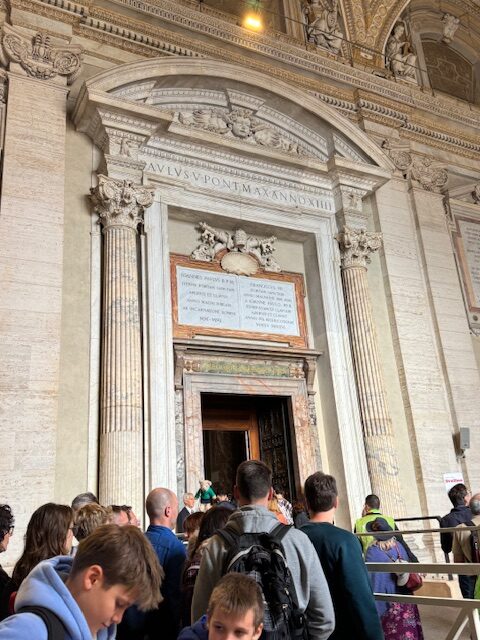
2025 is a Year of Jubilee, which only happens every 25 years. The year signifies a time of grace and renewal for Catholics. The Holy Door at St. Peter’s is open during the Year of Jubilee and many pilgrims want to walk through it so their sins are wiped clean. They also just want to visit to show respect to God and the Saints. The pilgrims get first chance to enter the church, so we had to wait our turn to enter. 

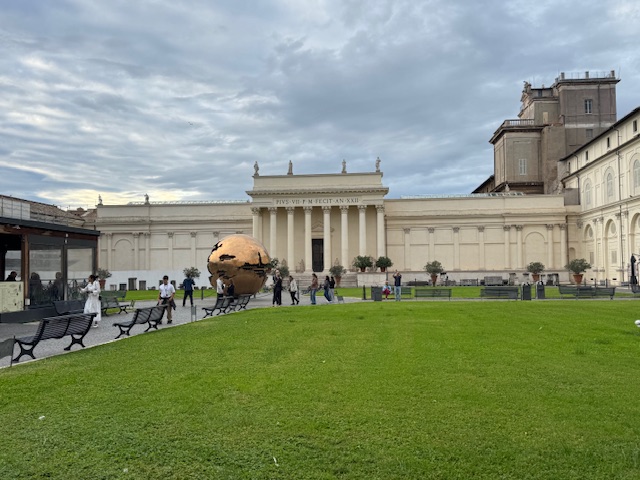
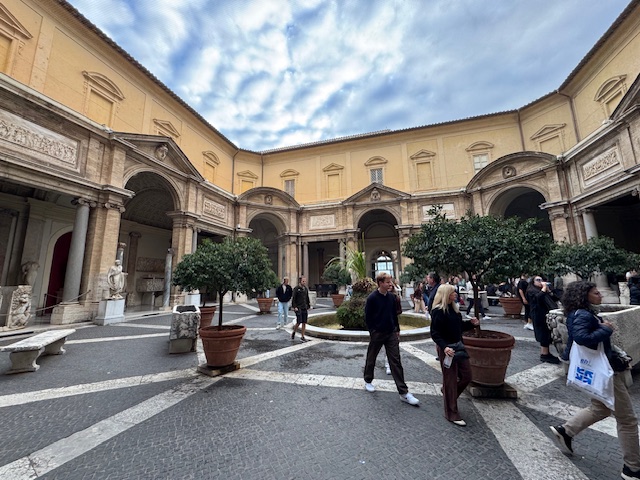
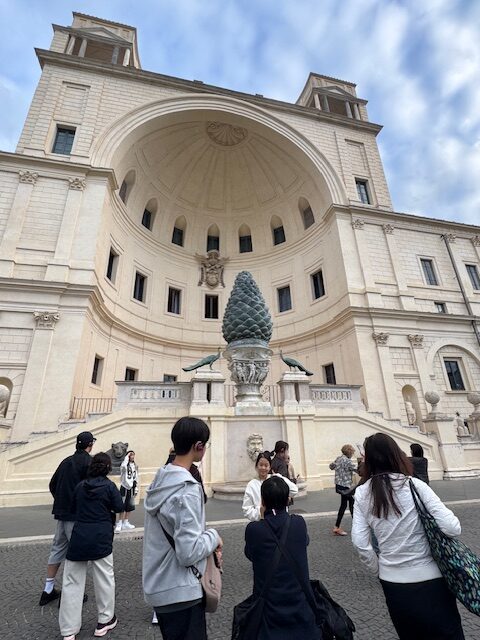
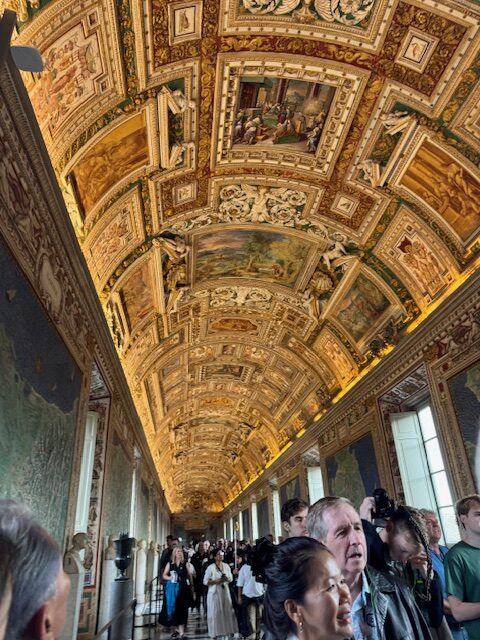
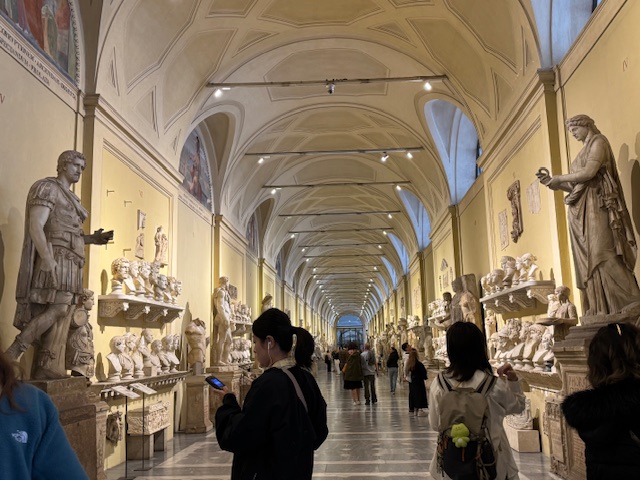
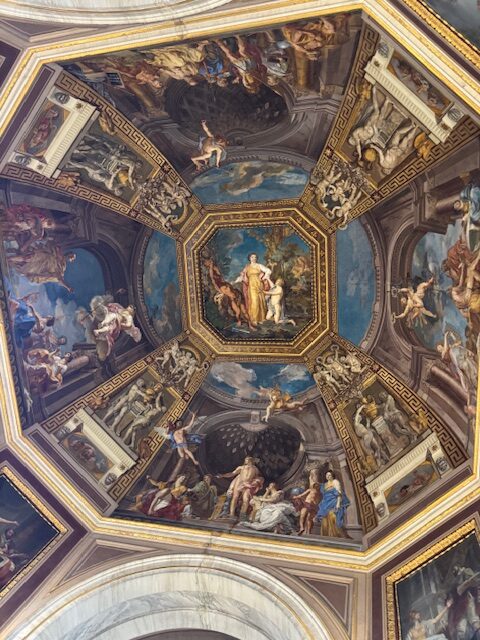
After getting through security, we passed by some outdoor courtyards and artwork before entering the Vatican museums and then St. Peter’s Basilica. We walked through the Sistine Chapel as well, but photographs were not allowed. 

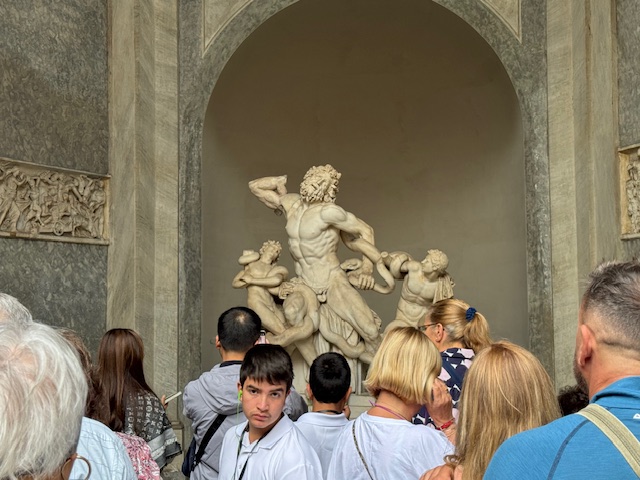
Laocoon and His Sons. He is a mythological character but this sculpture is still highly regarded.

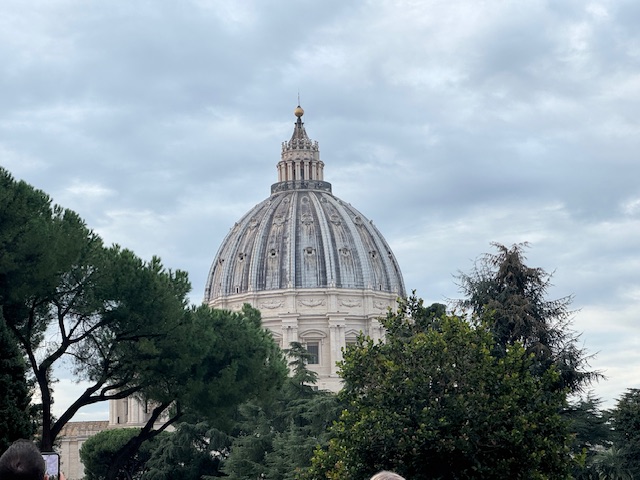
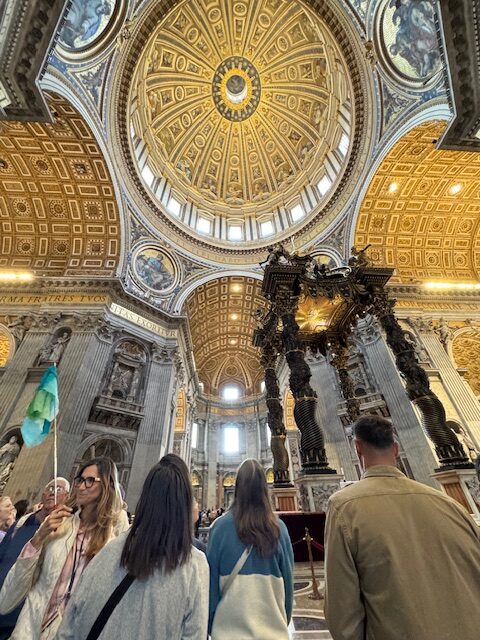
View of St Peter’s Basilica dome from the Vatican museums. 

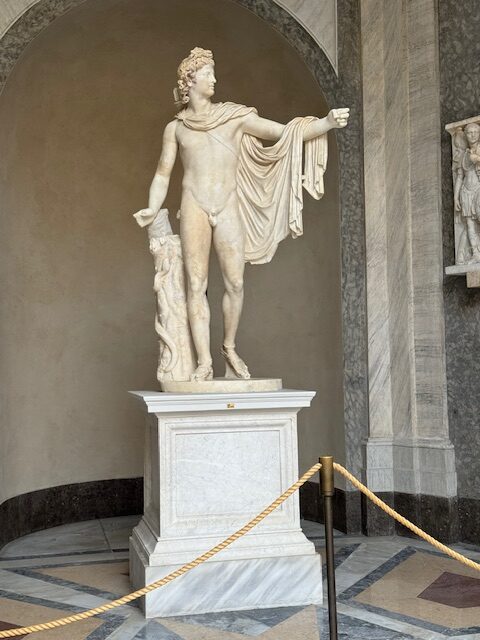
Apollo Belvedere. A work that represents strength and virtue. 

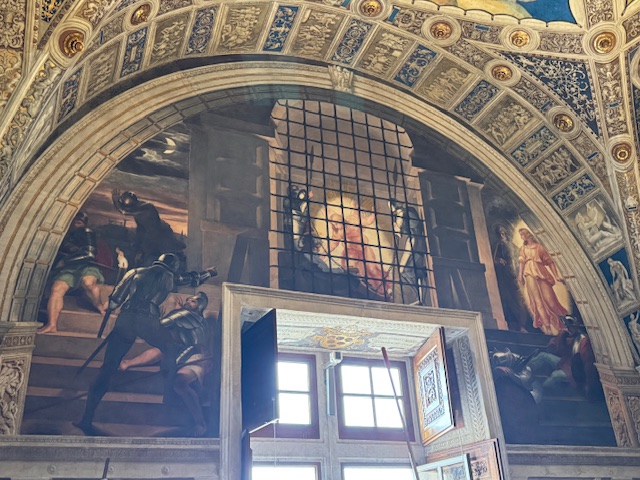
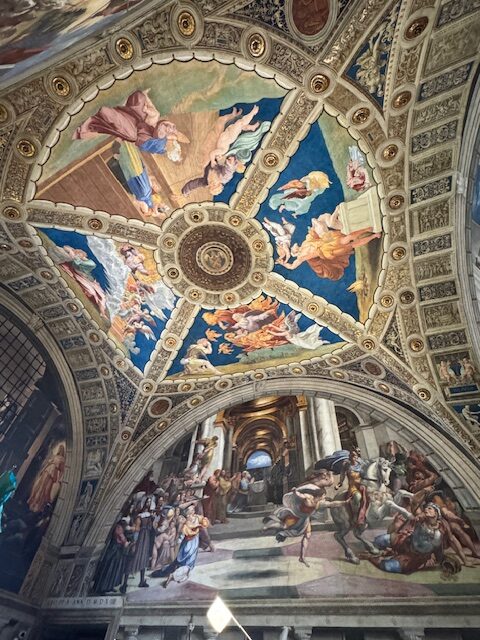
A mural of St Peter being miraculously released from his chains in prison. 

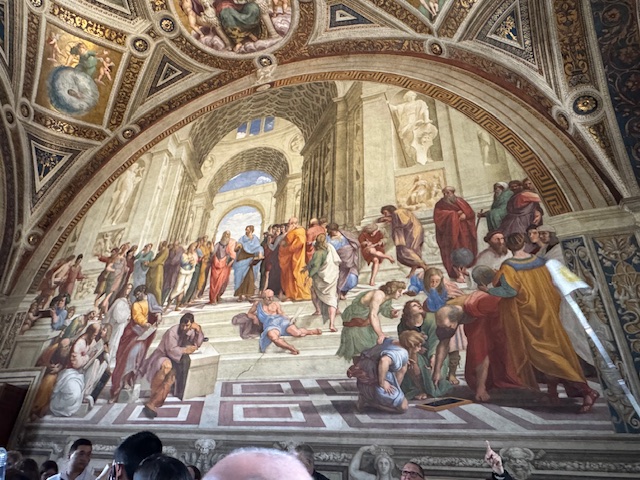
School of Athens. A famous mural by Raphael.

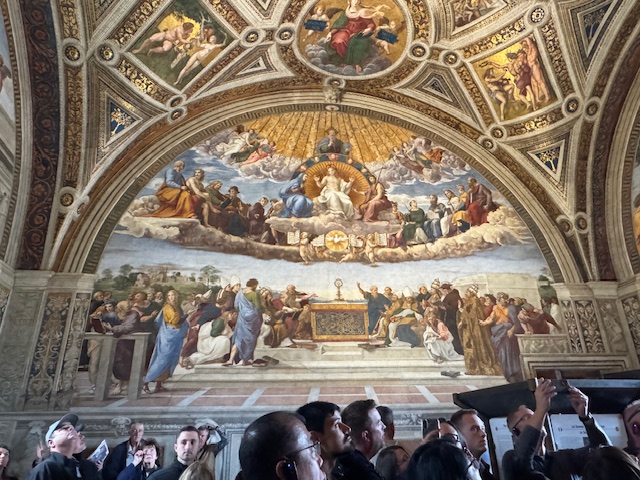
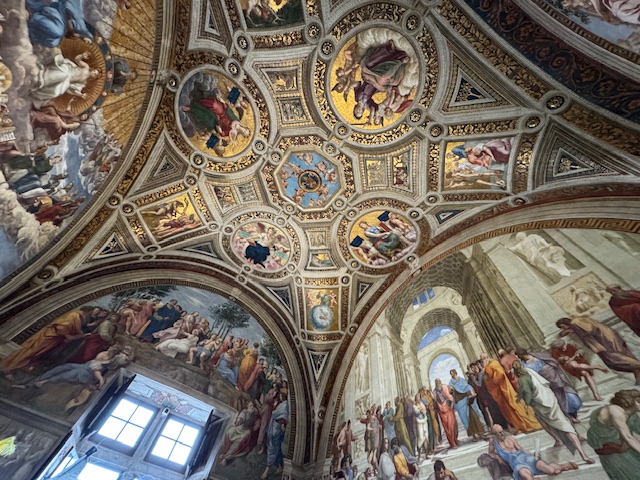
Disputation of the Holy Sacrament. Also by Raphael. There are a couple of rooms with his paintings in the Vatican museums.

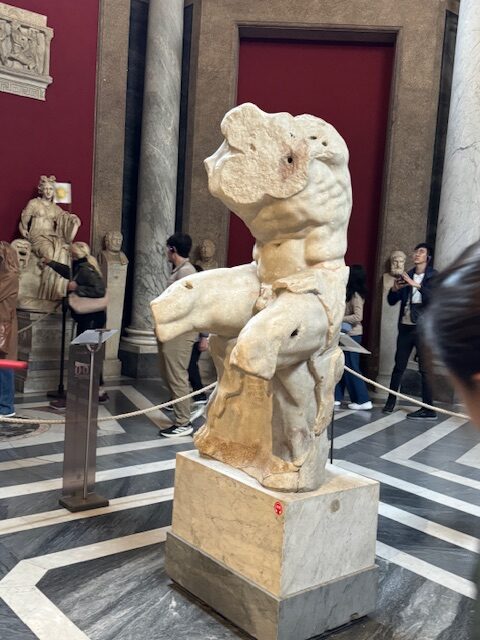
Belvedere Torso. It is dated around 1430 but was pulled from the rubble long after. Many artists, specifically Michelangelo, value this figure for its defined detail of the body. The muscles and ribs are easily spotted despite the fact that it is made of marble or stone. 

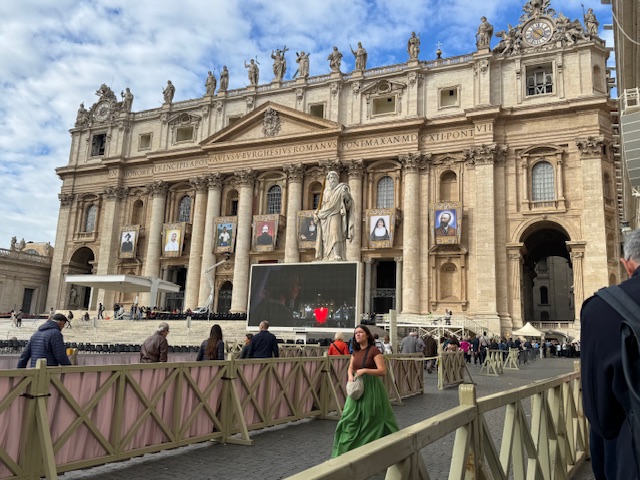
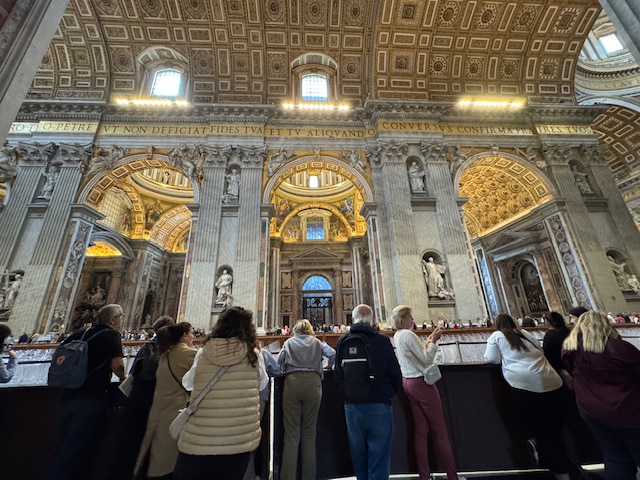
St Peter's Basilica, built 1506-1626.

View of the front entrance.  

The Holy Door from the outside.

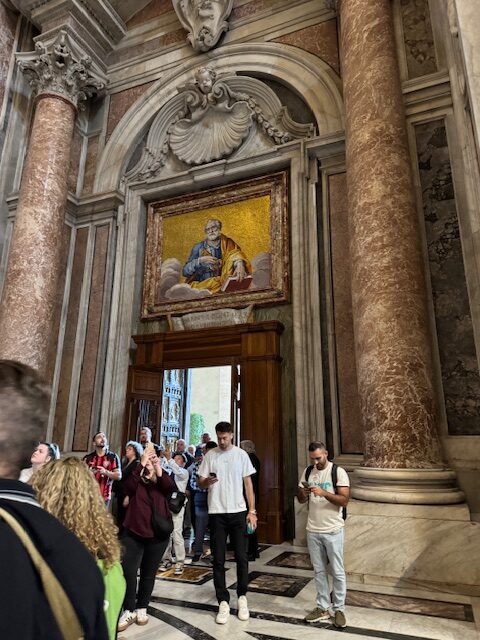
The Holy Door from the inside. 

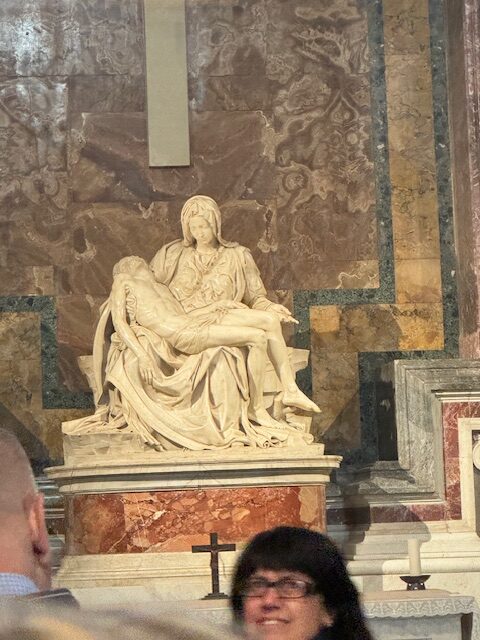
Michelangelo’s La Pieta. It depicts Mother Mary and holding Christ’s body after he died. 

The Pope’s elevator. 

The very front of the church.

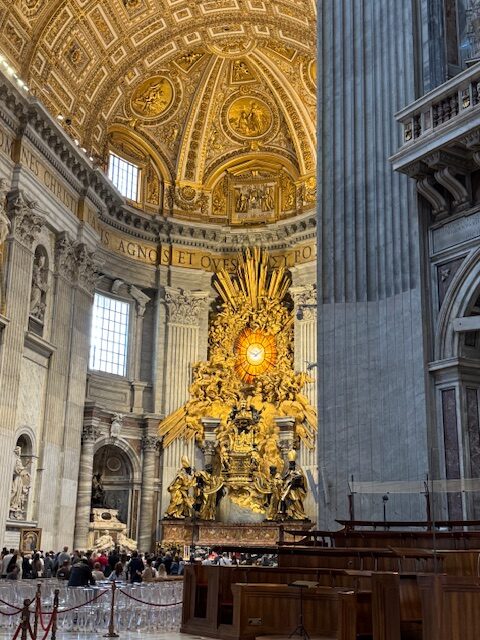
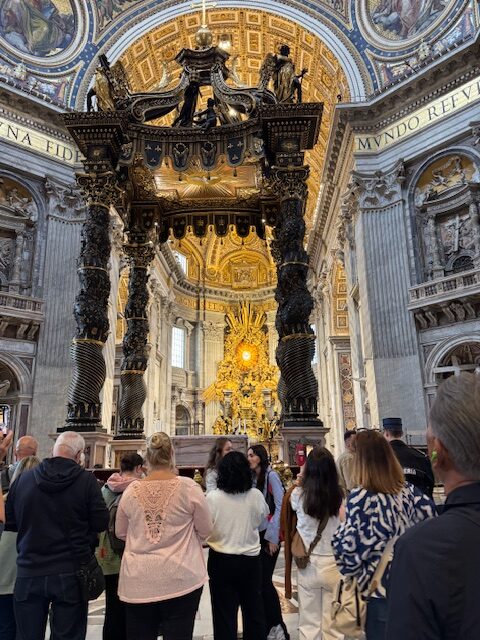
The brown arch like structure is called the Main Altar or High Altar. It is where the priests stands to preach. St. Peter is buried under the Altar. 

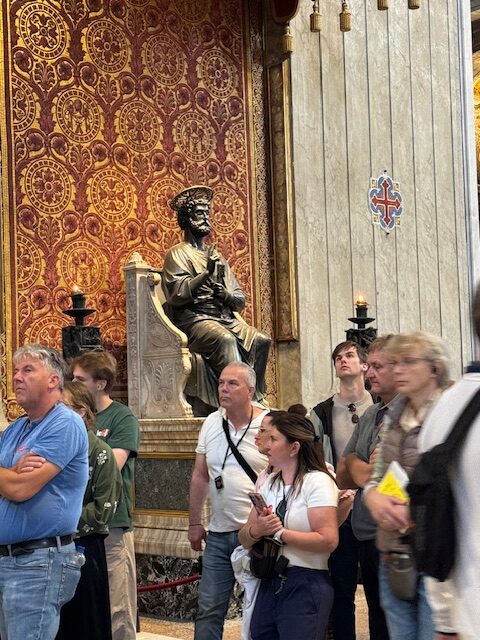
The best known statue of St. Peter. Pilgrims like to kiss his foot out of respect, so the metal on his foot is worn thin. 🙂

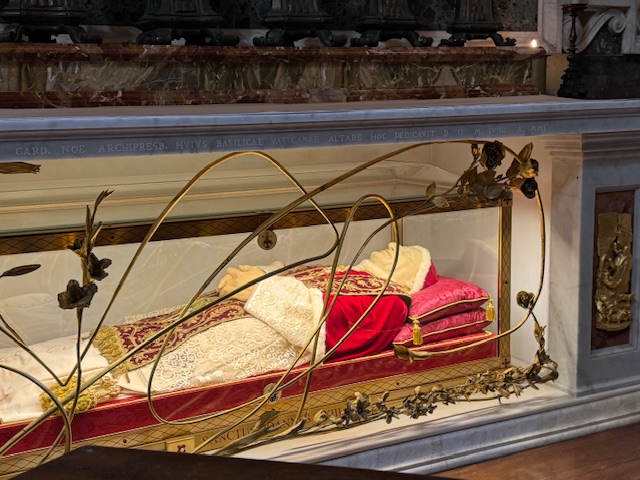
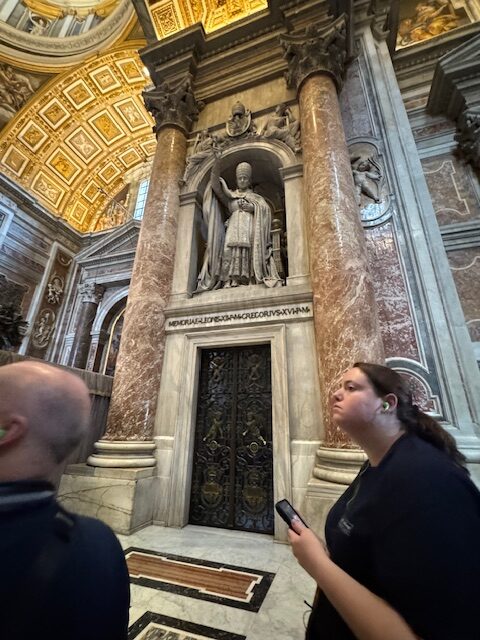
Pope John XXIII. His body is covered in a life like wax and on display in the Basilica. Evidently he is on his way to sainthood. 

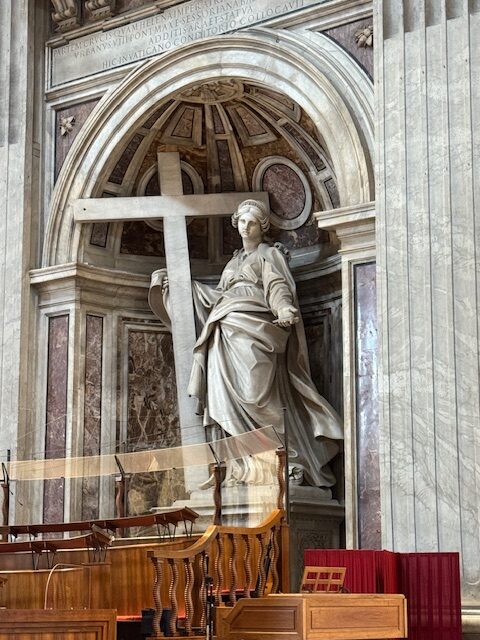
This is Helena, mother of Constantine. She is recognized for finding the Relics of the True Cross. 

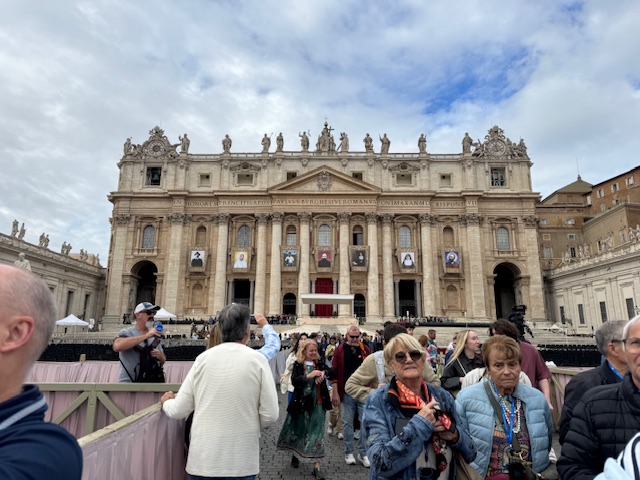
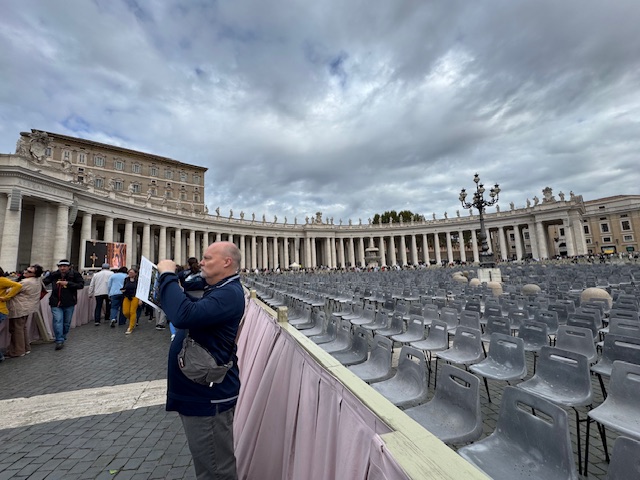
Outside the front of St. Peter’s, they are setting up chairs for mass on Sunday. It is outside because they are expecting thousands of visitors. The Pope is in town and will lead the service. 

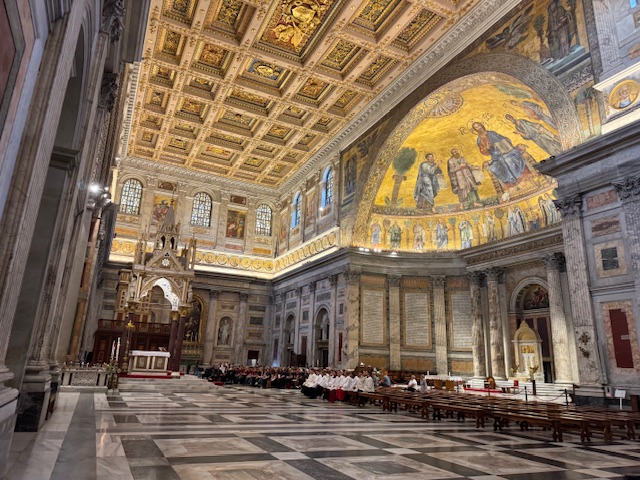
St. Paul's Basilica Outside the Walls

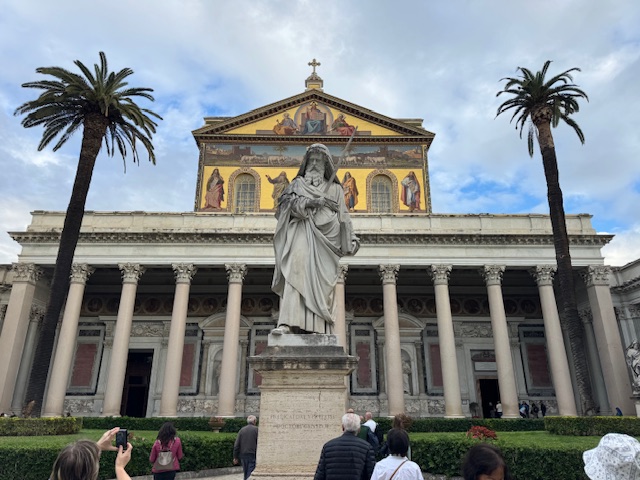
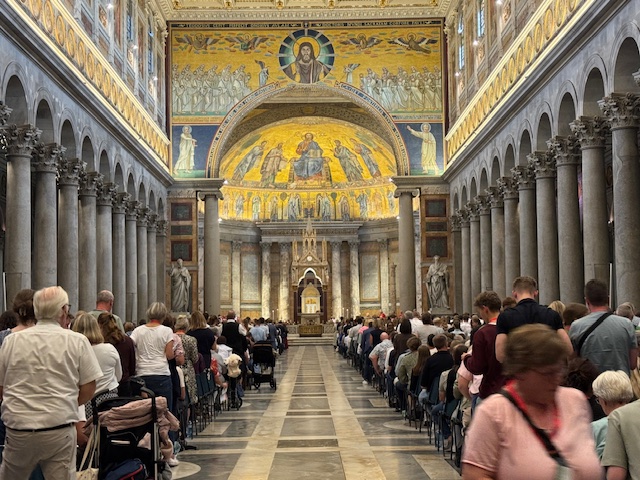
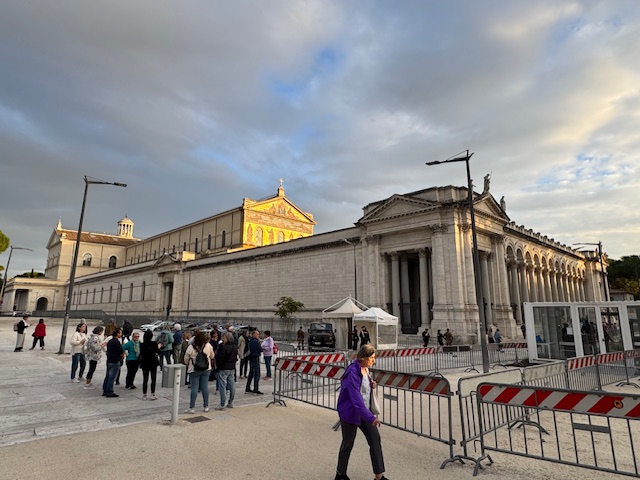
St. Paul’s Basilica Outside the Walls means that it is located outside the old Roman walls. There is a St. Paul’s inside the walls as well, but we didn’t visit it. This (Outside the Walls) location holds the grave of St. Paul. The church was holding a service while we were there. Visitors were welcome to walk around the premises as long we we didn’t interrupt the service.

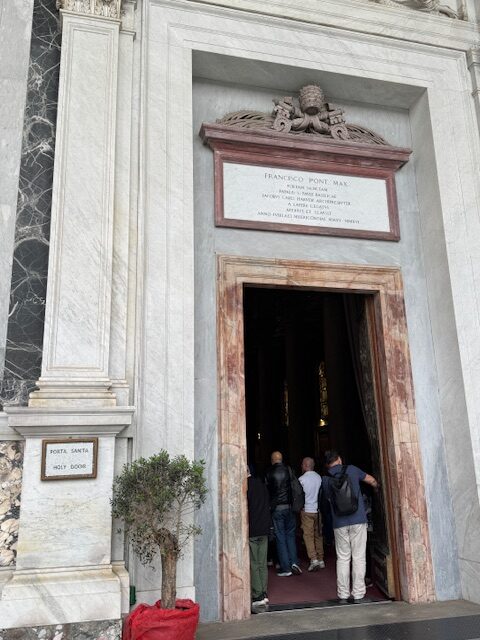
Another Holy Door opened for the Year of Jubilee. 

St Paul is buried under the high altar at the front of the church. 

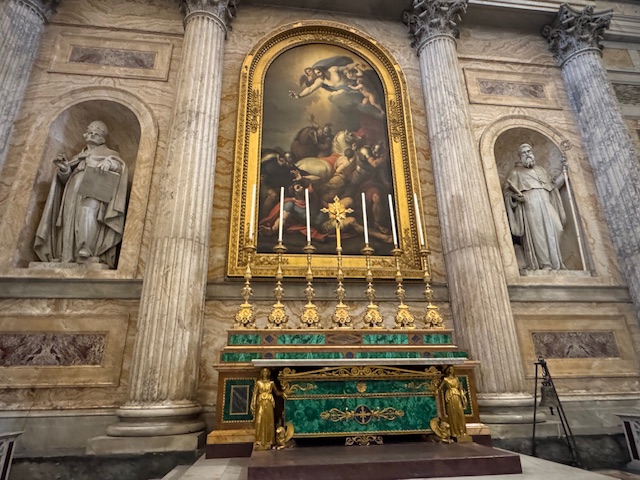
A painting of St. Paul’s conversion.

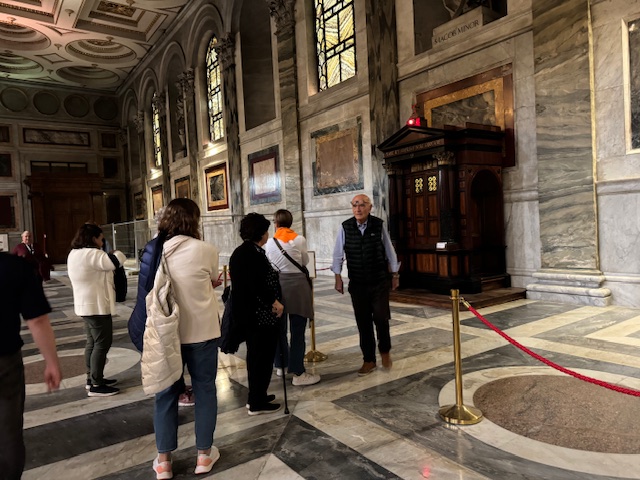
People in line for Confession.

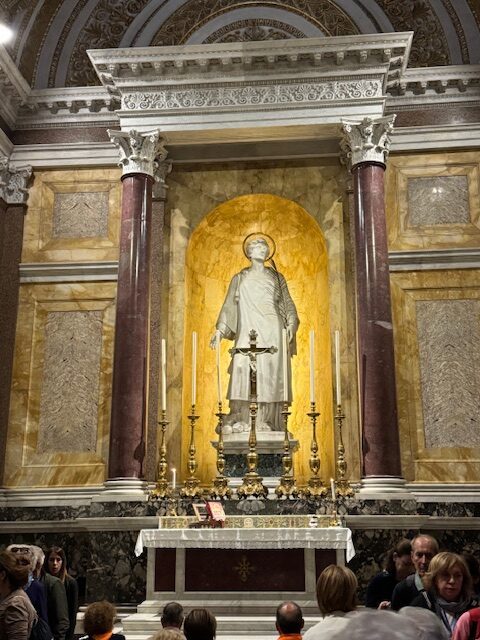
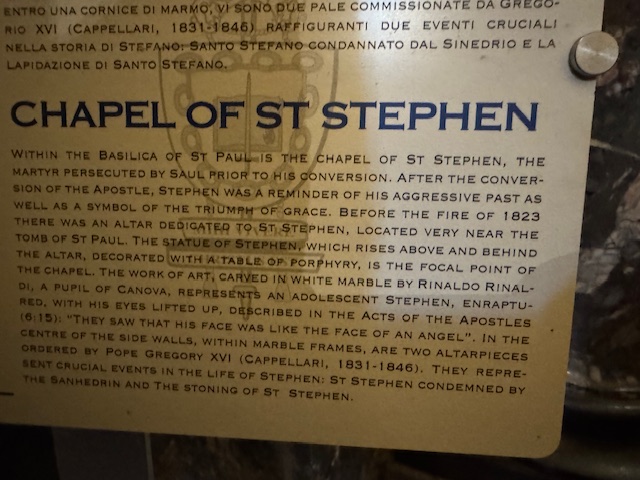
There is a side chapel dedicated to Stephen the Martyr. This is a statue of him. 

Day Three

The third day we didn’t have any tours booked, but decided to walk around and see some things on our check list. It turned out to be a full day!

The Pantheon

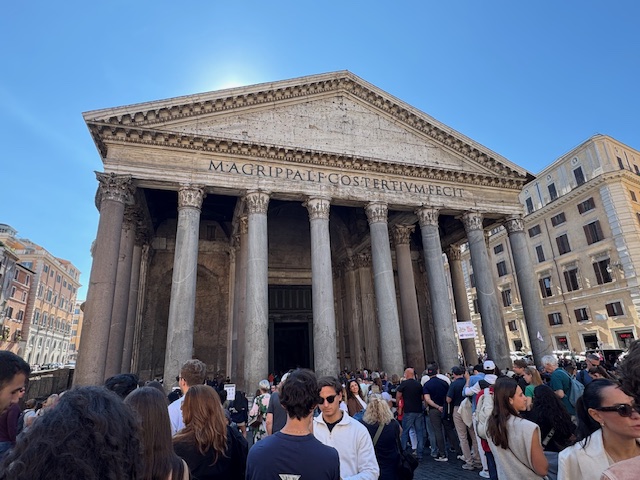
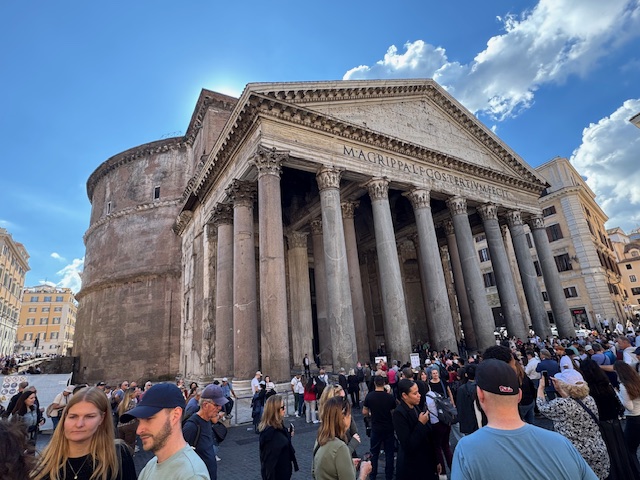
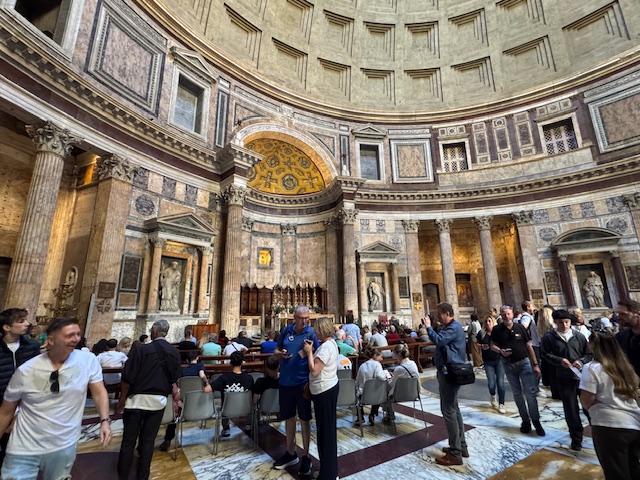
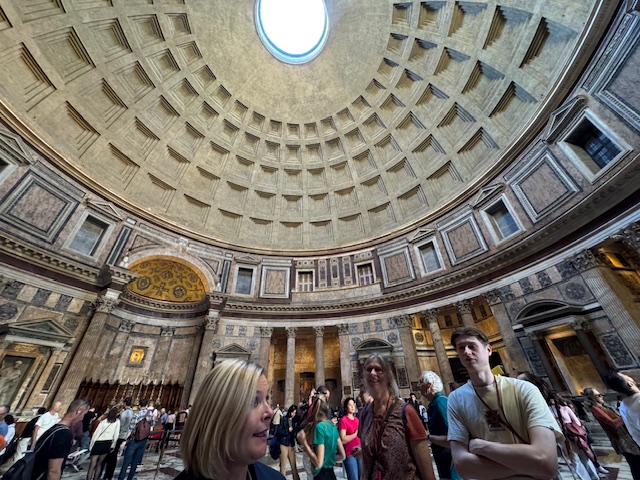
The Pantheon was originally built as a temple to the Roman gods in 27 BC. It burned down and was rebuilt in 118 AD and converted to a church in 609 AD. The amazing thing about the structure is that the dome on top is unsupported. The builders used a heavier stone on the bottom but changed to lighter stone on the higher part of the dome. 

It is beautiful. The painter Raphael chose to be buried here as he felt the structure beautiful as well. 

Area where church services are now held. 

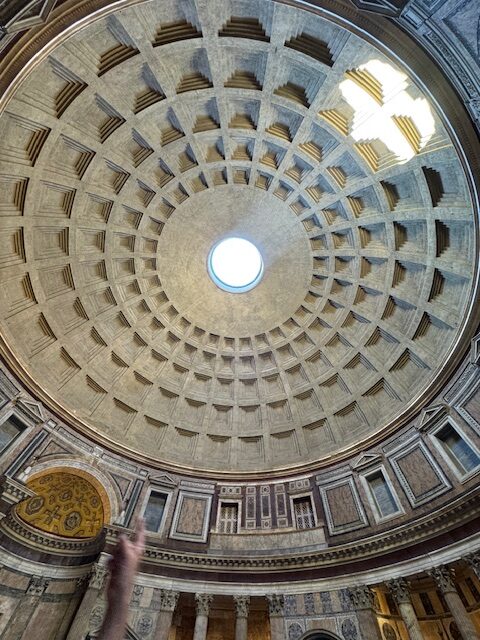
The hole at the top of the dome is completely open. The Romans built it that way. Believe it or not, rain doesn’t get all the way down to the visitors inside. 

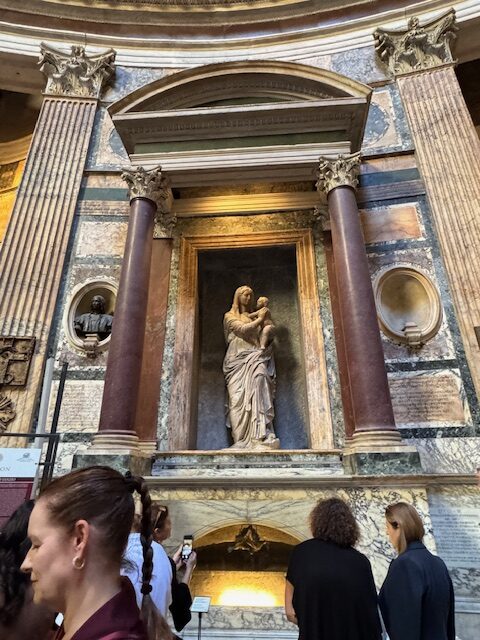
Tomb of Raphael. The lighted square at the bottom of the picture is the grave. 

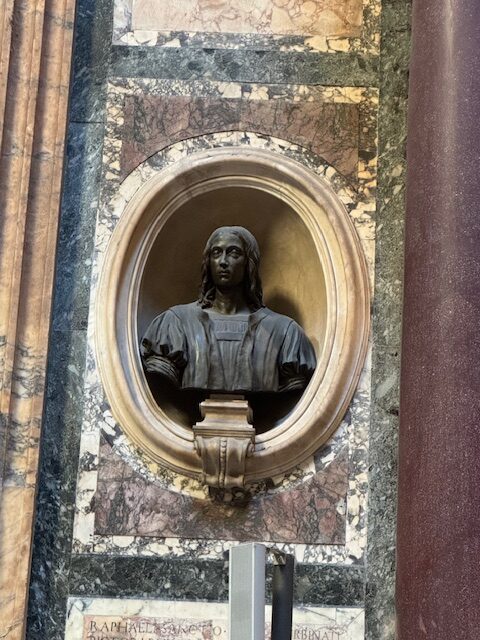
Bust of Raphael

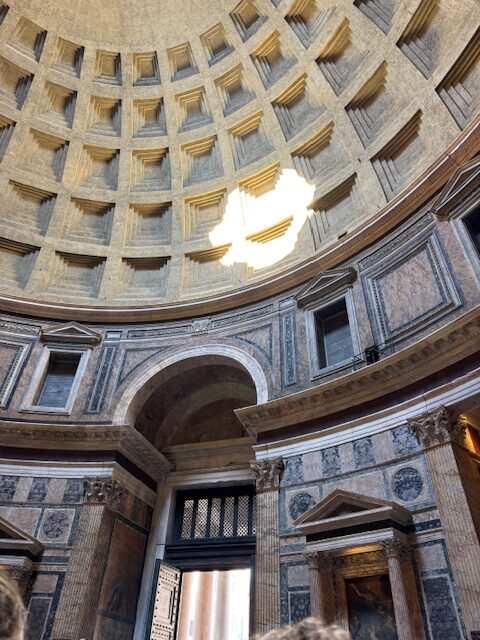
The sun spot that comes through the open hole on top of the dome shines on the inside. Twice a year it lines up with the arch on top of the pictured door. 

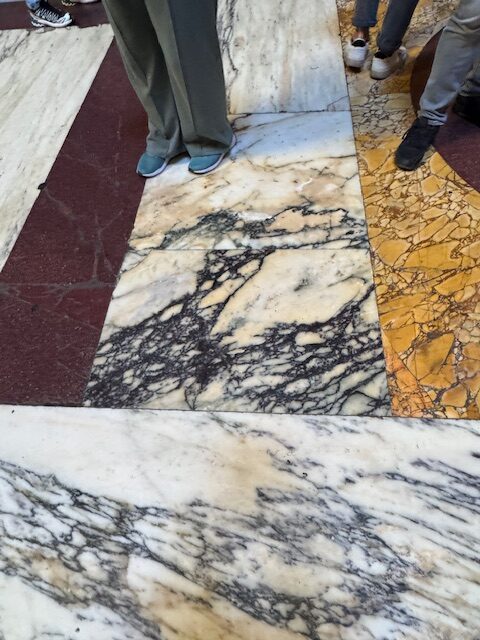
Some of the original marble floor still exists. The piece of marble that the person pictured is standing on is original, so from around 118 AD. 

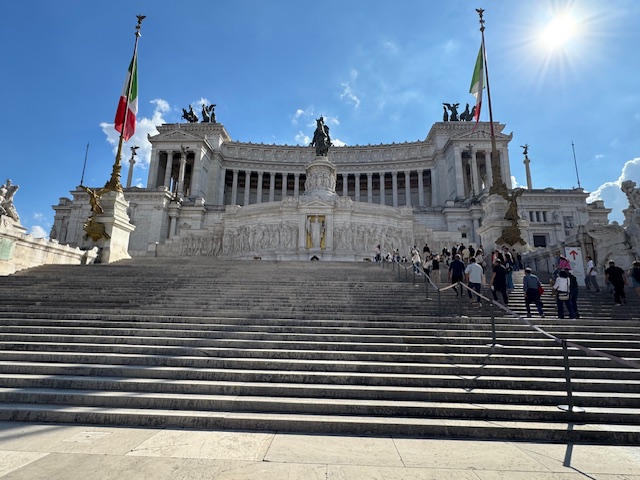
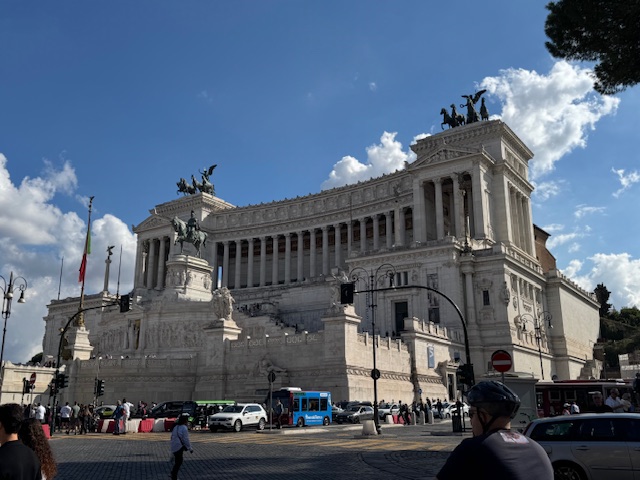
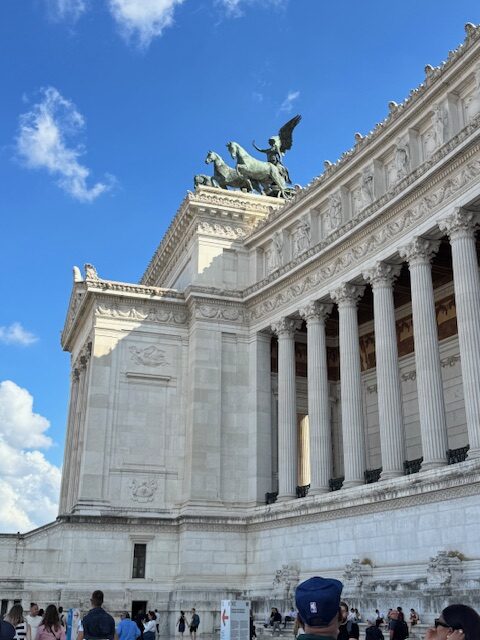
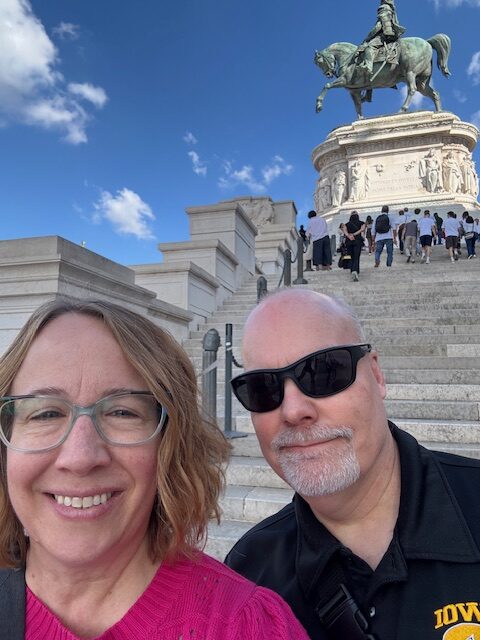
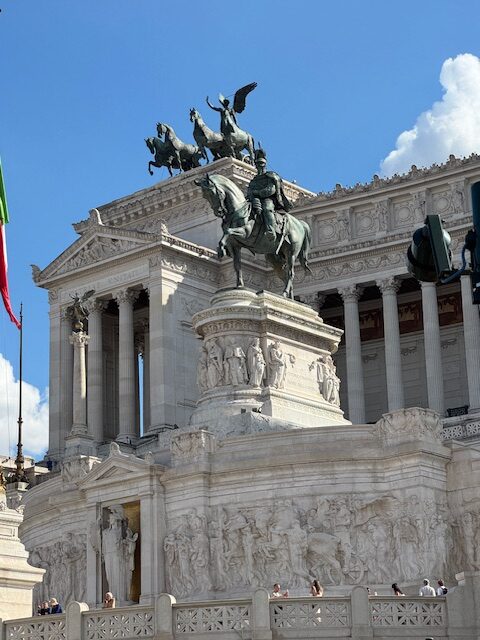
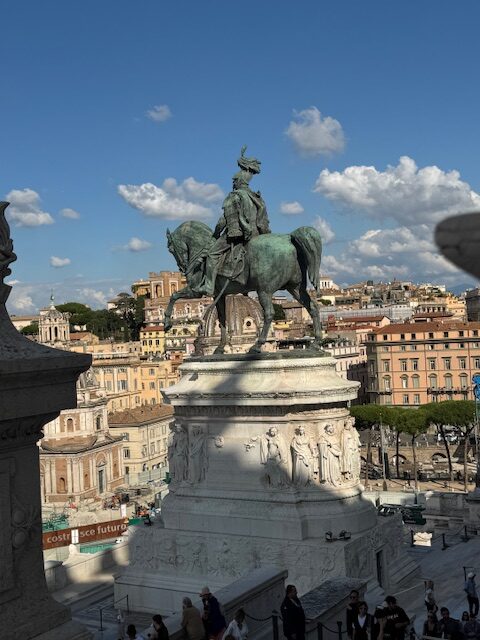
Victor Emanuel II Monument

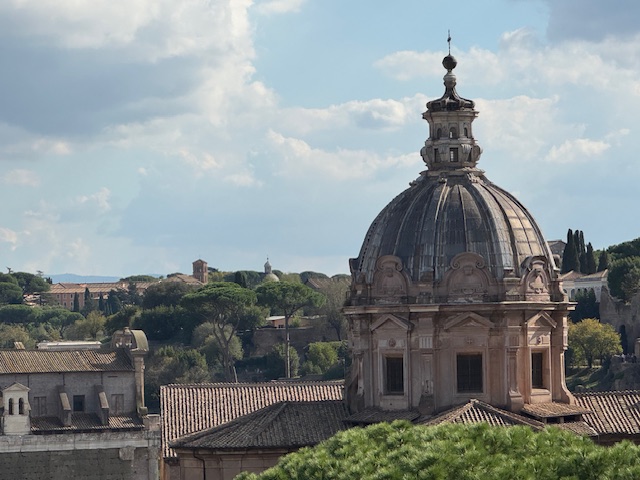
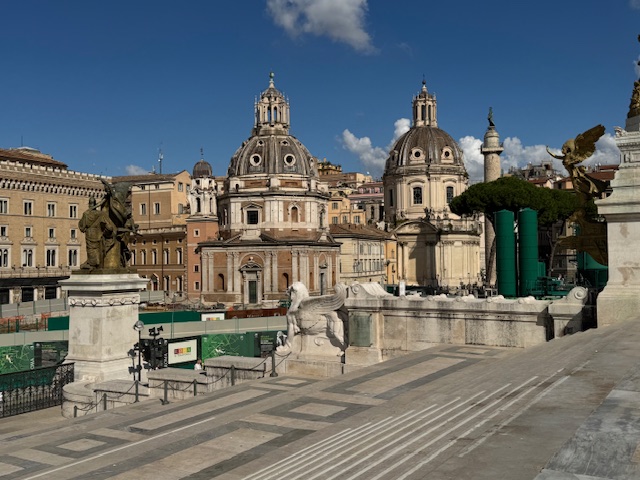
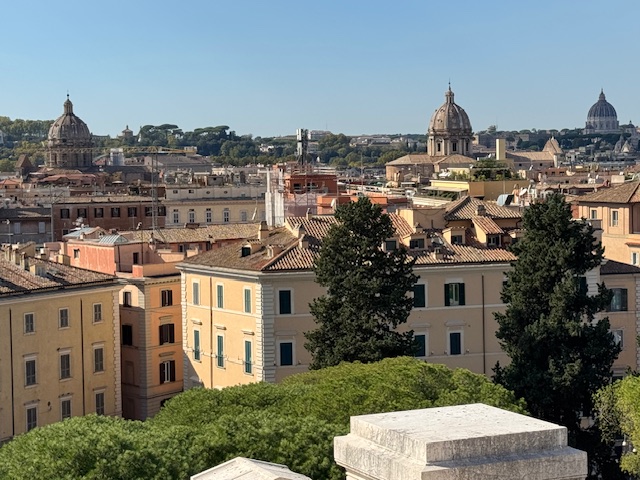
The building for this monument started in 1885. It is a monument to honor the first king of the unified Italy. Today it is mostly an event hall and tourist destination. The building is situated right next to the Roman Forum, so the views from the top of the Victor Monument are stunning. 

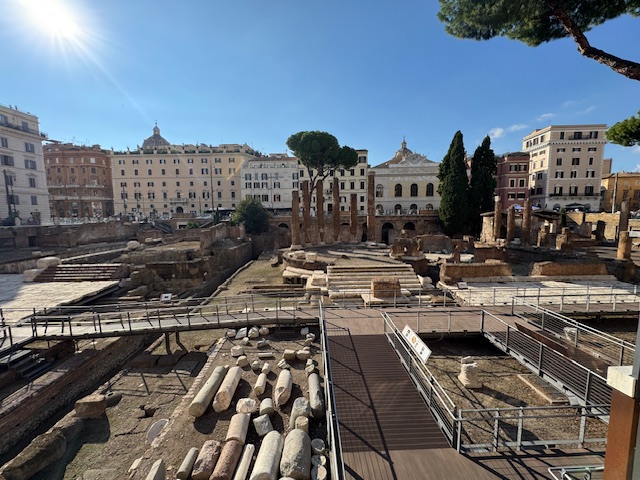
Largo di Torre Argentina

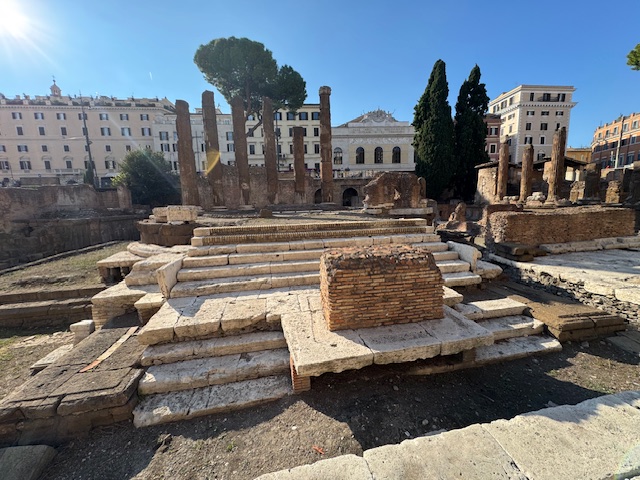
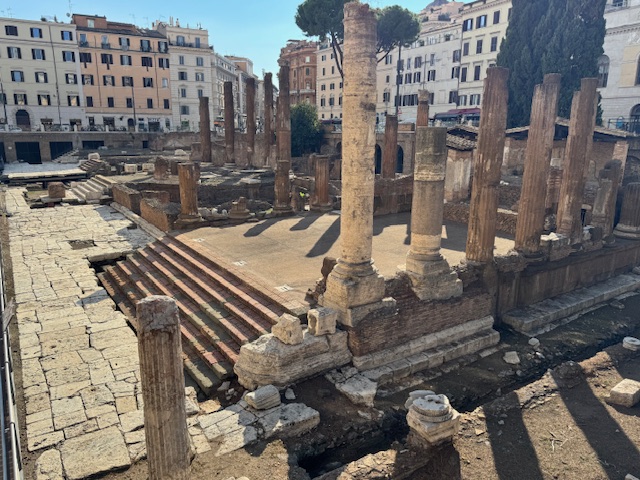
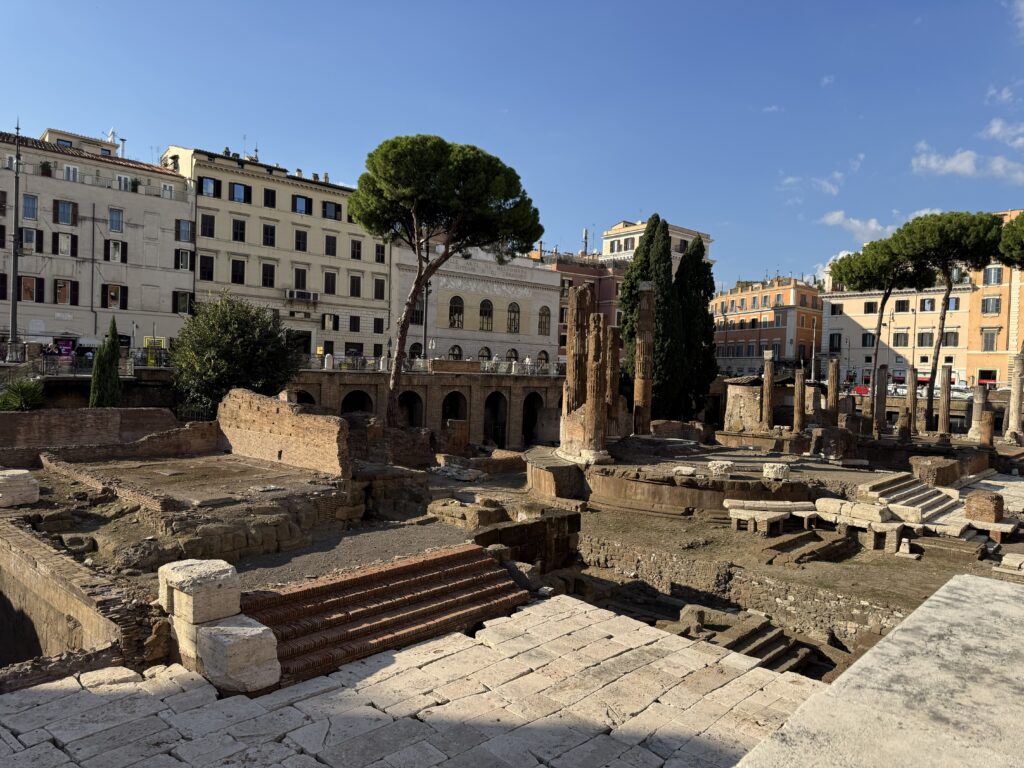
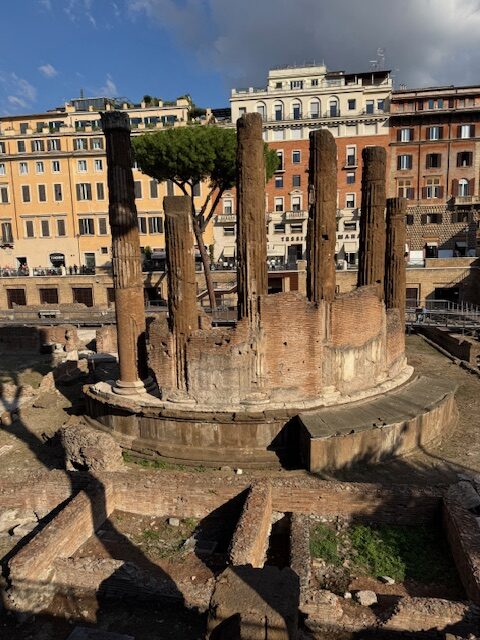
This historical area is not far from the Pantheon. It was built as 4 temples and the Curia de Pompeo, a meeting place for the Roman Senate. Many pillars, statue pieces and much pottery has been found around this site.

It was at the Curia that Julius Caesar was assassinated in 44 BC. Today the ruins are preserved as best as possible, and serve as a cat sanctuary. 

The stairs on the left side of the picture are the ones that lead to the Curia di Pompeo, where the Senate met. This is where Julius Caesar was stabbed to death. 

Trevi Fountain

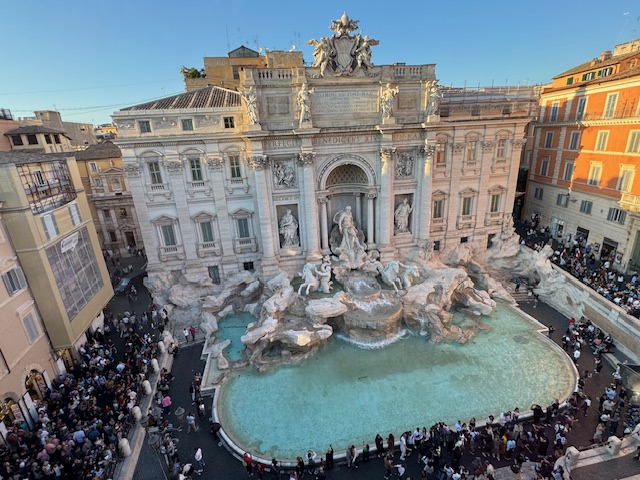
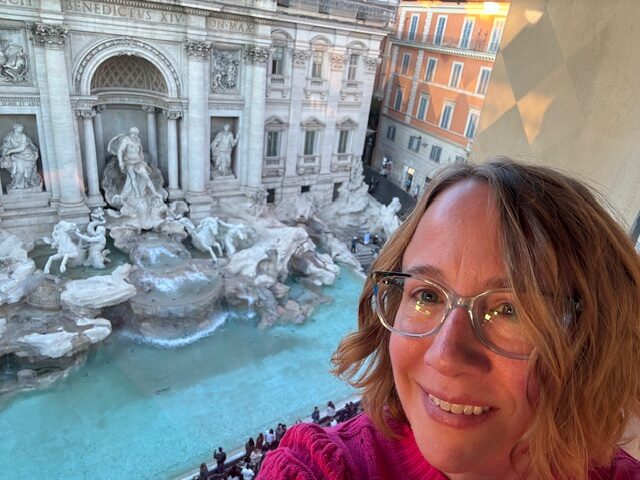
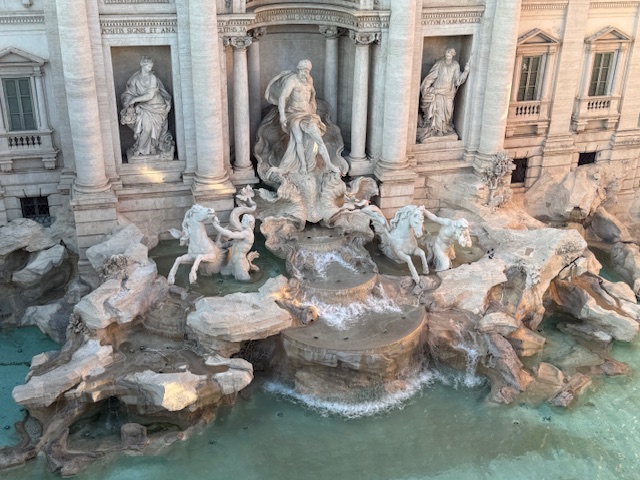
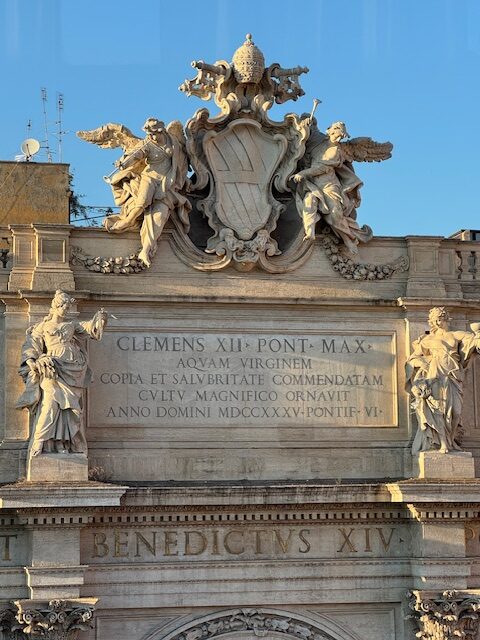
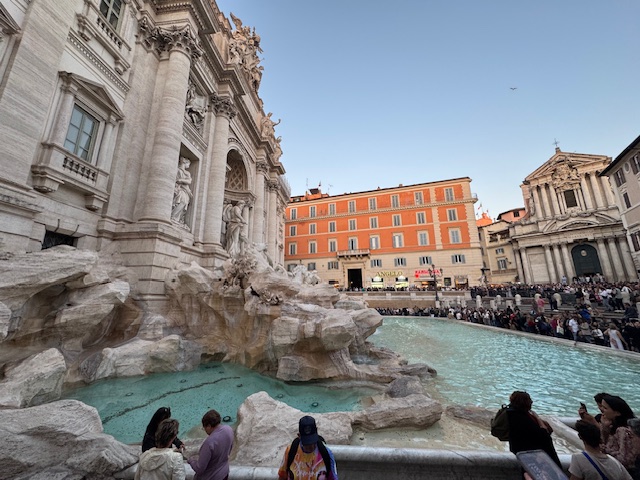
The Trevi Fountain was completed in 1762 and was designed by Nicola Salvi. Visitors are encouraged to throw coins in the fountain for good luck. The city collects the coins daily and donates them to charity.

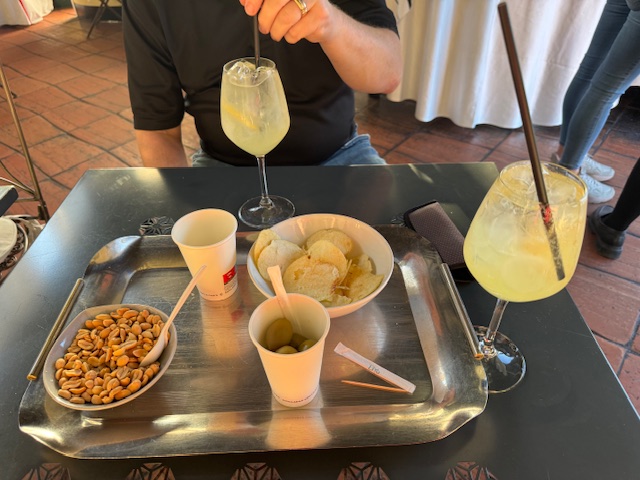
The crowds around the Trevi Fountain are always massive. Jeremy read online that a person could go to the 3rd floor of a nearby hotel and see it much better than if he stood on the ground. So that is what we did! We had some snacks and drinks while we were up there. 🙂

The Spanish Steps

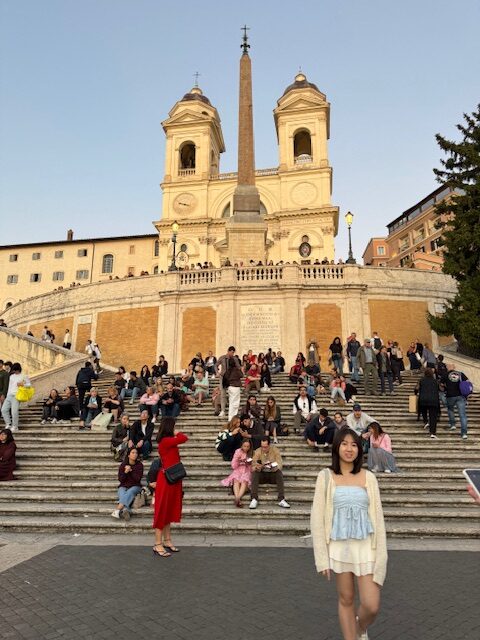
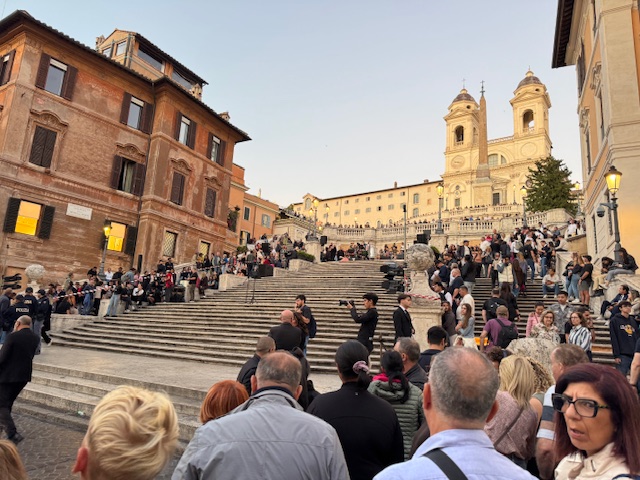
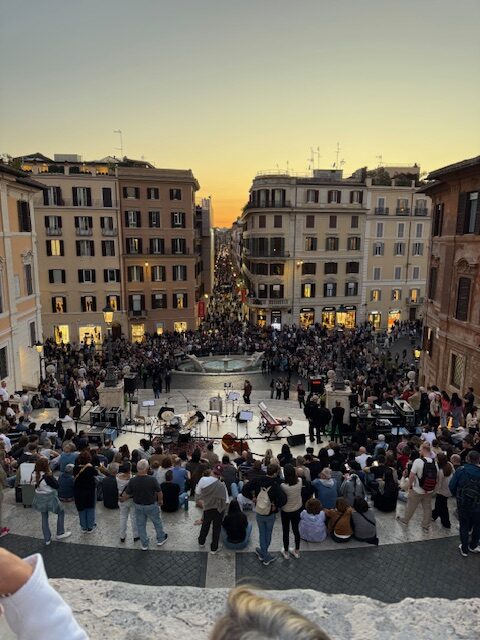
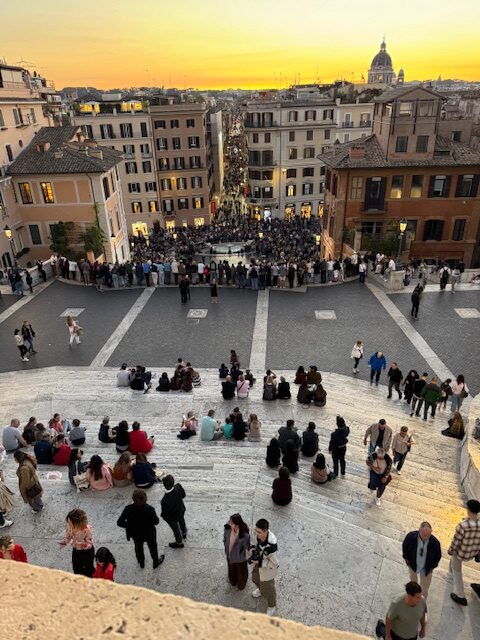
We had to pass by the Spanish Steps while in Rome. They are mainly just a tourist attraction. They connect a lower piazza to a church at the top, and people love the unique design. Visitors are no longer allowed to sit on the steps though. The city hands out a fine to any sitters. 

Day Four

Palatine Hill, the Roman Forum and the Colosseum

I dare say this was the highlight of the trip. I absolutely love the history we learned about during this tour. The Palatine Hill is where the Emperors lived for a time. I believe Tiberius built the palace on Palatine Hill which overlooks the Roman Forum. 

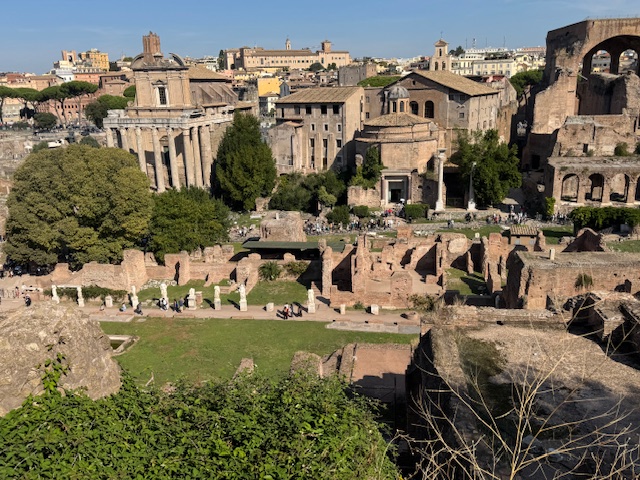
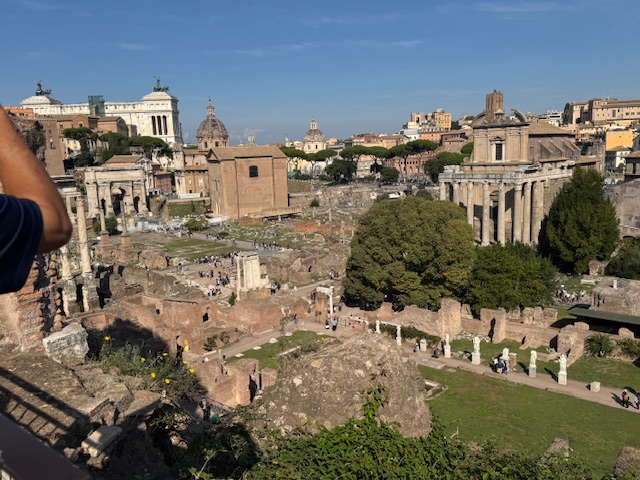
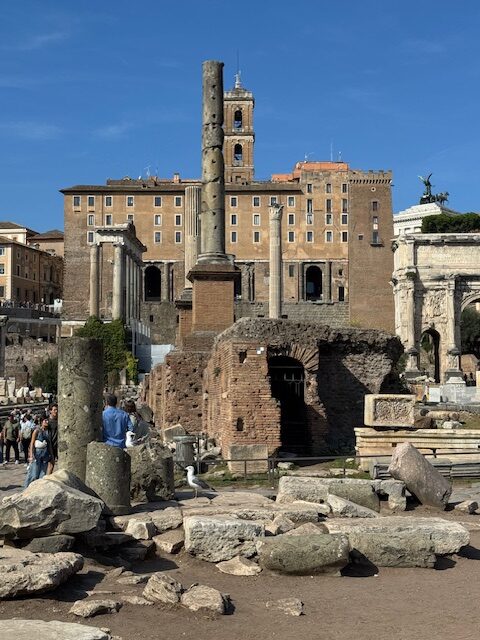
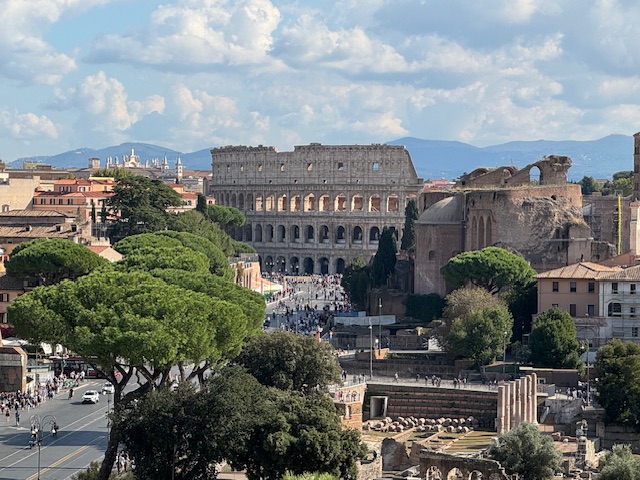
The Roman Forum was basically the ancient city of Rome. It is the ruins of markets, theaters, meeting houses, churches and some regular houses of old Rome. It is amazing.

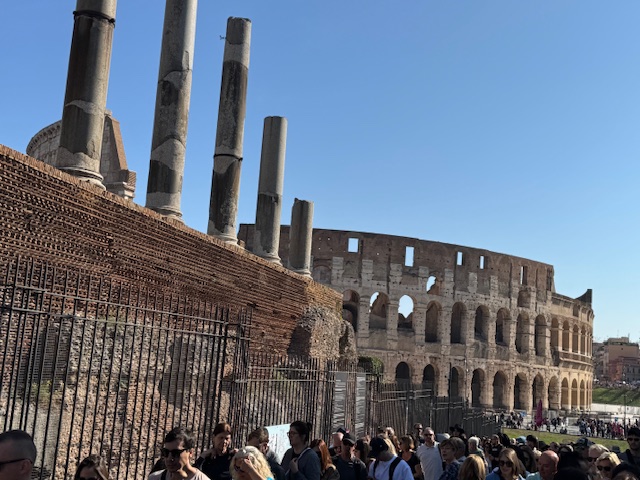
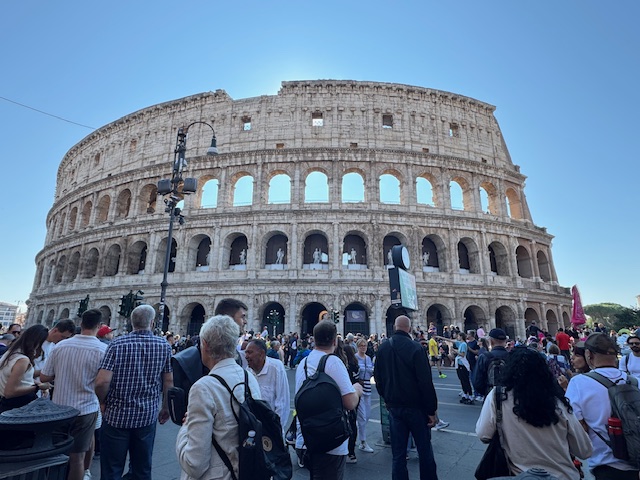
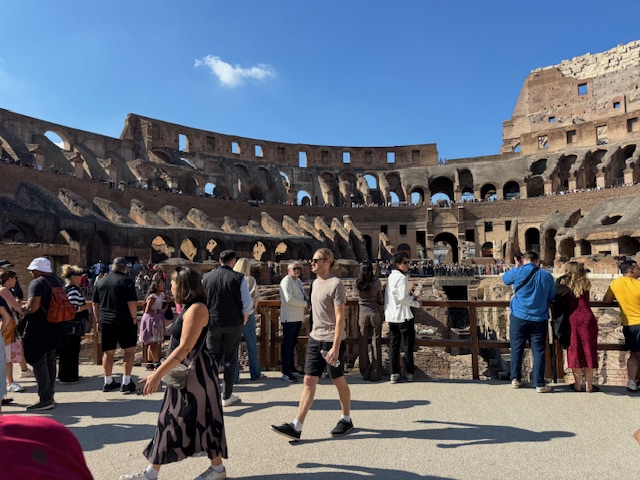
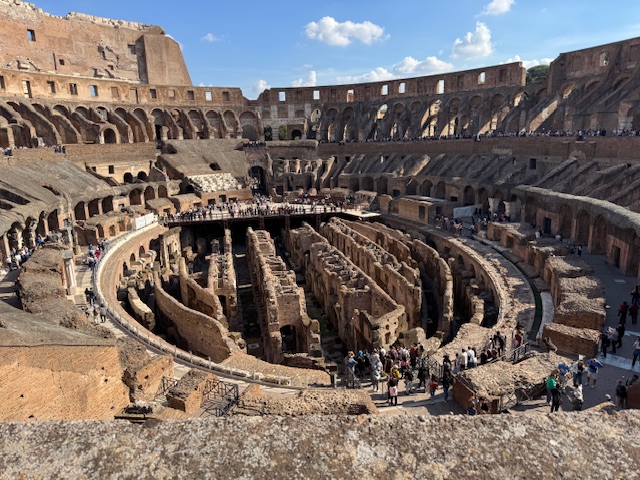
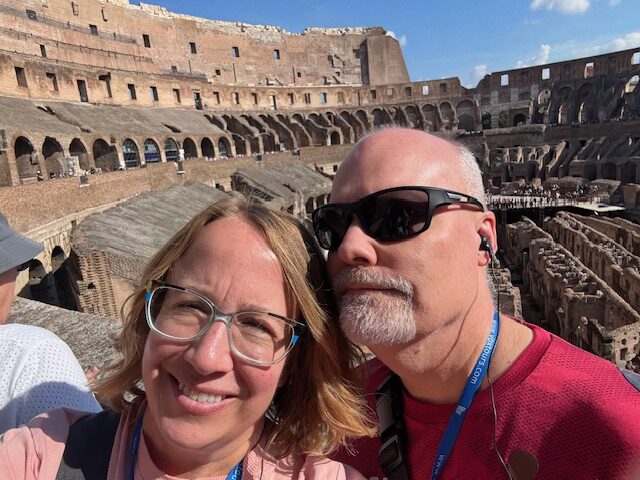
And of course the Colosseum, built around 72 AD, was THE entertainment venue of its time. It hosted gladiator fights, animal hunts, and other lively events to wow it’s spectators. 

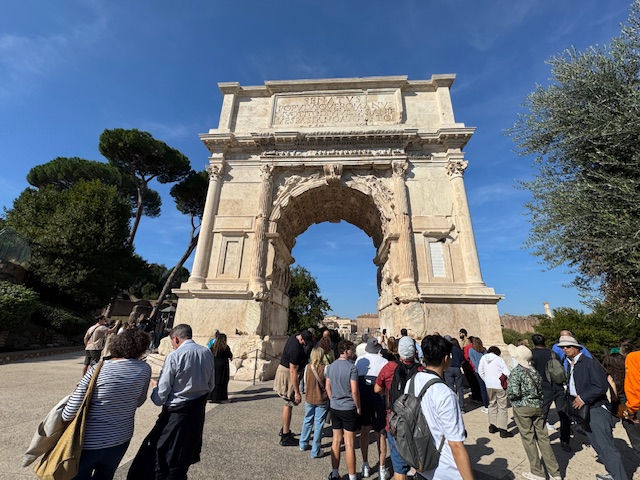
Arch of Constantine. It was built in 315 AD to commemorate a battle victory. Under the arch is the main road Via Sacra. It was a busy street, used for public processions, triumphal events, and other notable happenings.

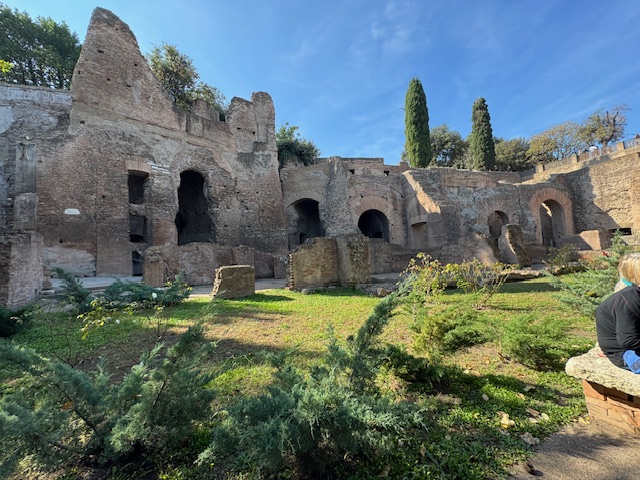
The remains of the “royal palace” on Palatine Hill. Tiberius built and first lived here. 

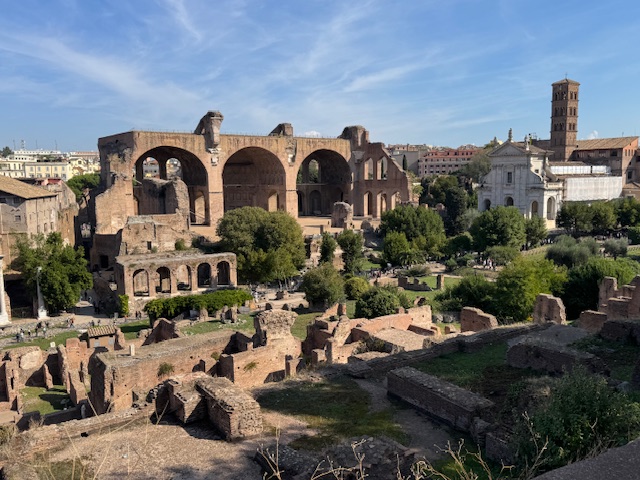
View of the Roman Forum from Palatine Hill. The three rounded arches was the main market/meeting place of the common Roman citizen. It is called the Basilica of Maxentius.

Another above view of Roman Forum. Near the green space in the bottom half of the picture were aqueducts and bath houses where rain water was collected. The people in charge of the aqueducts also lived nearby. 

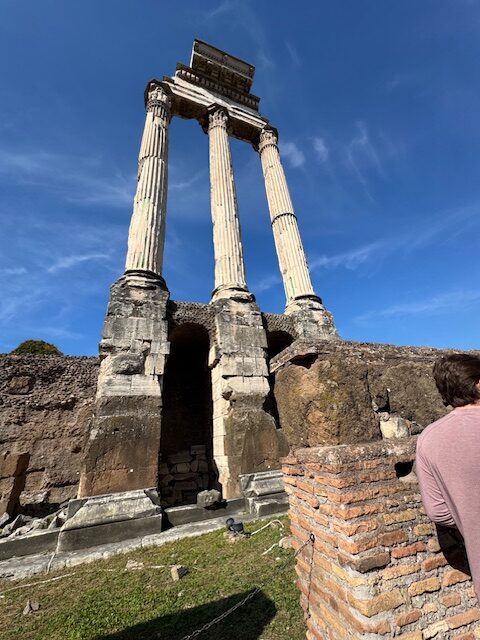
Remains of Temple of Castor and Pollux.

Remains of the Temple of Caesar. Hard to picture it from the remains. 

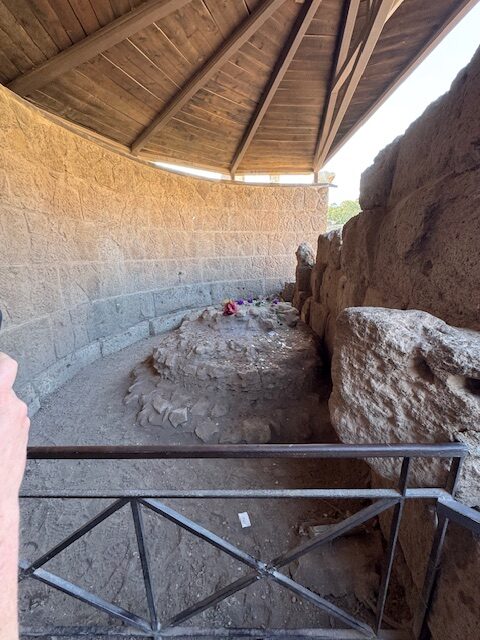
This altar was built on the site where Julius Caesar was cremated. 

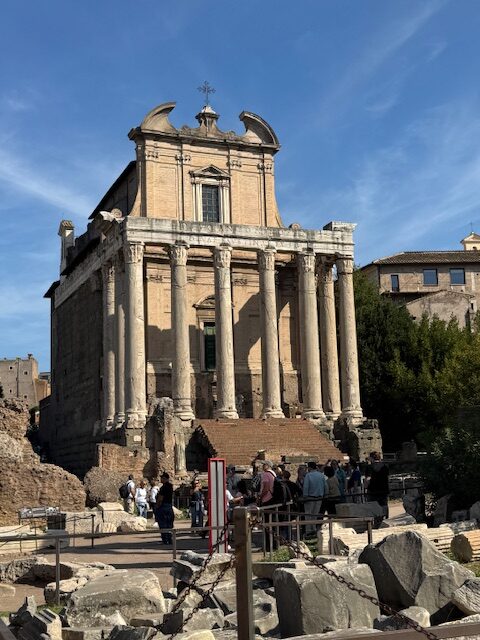
Temple of Antoninous and Faustina

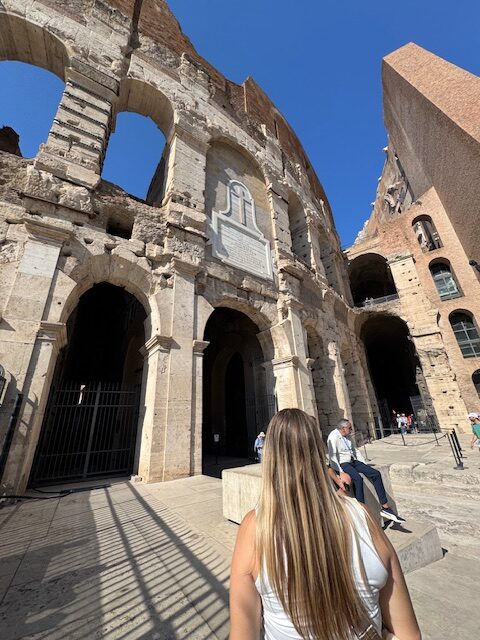
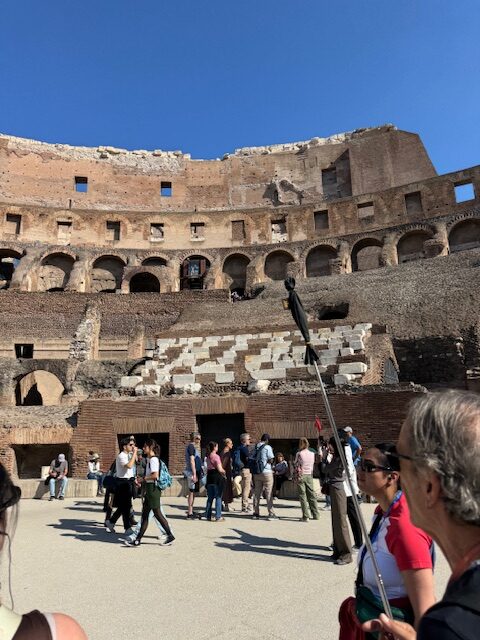
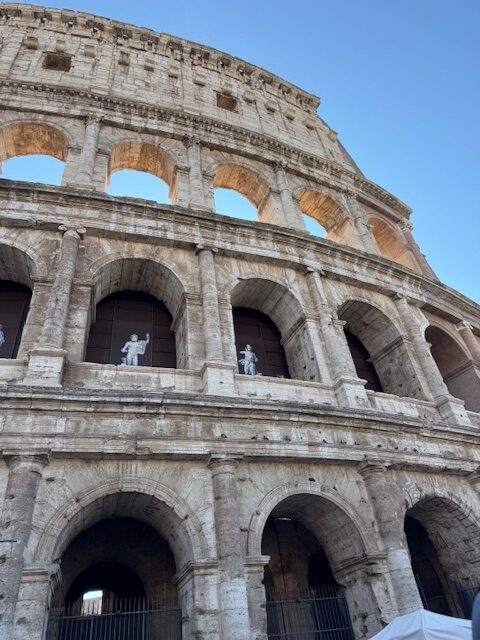
The original Colosseum had a statue in every opening. It also had a cloth cover over much of the top. 

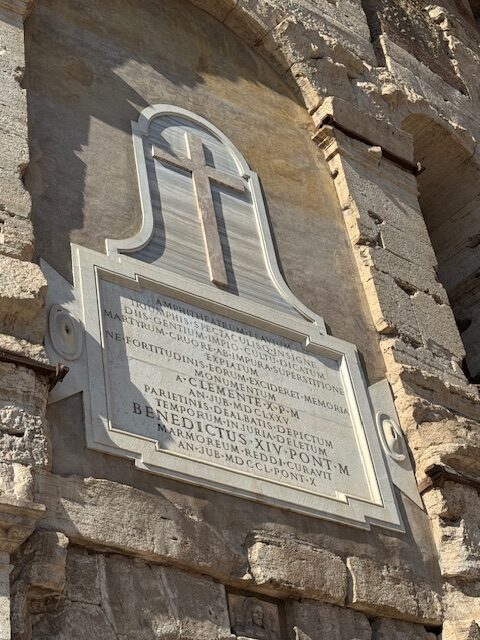
Pope Benedict XIV installed this plaque in 1750, paying honor to all the Christian martyrs who died at the Colosseum. 

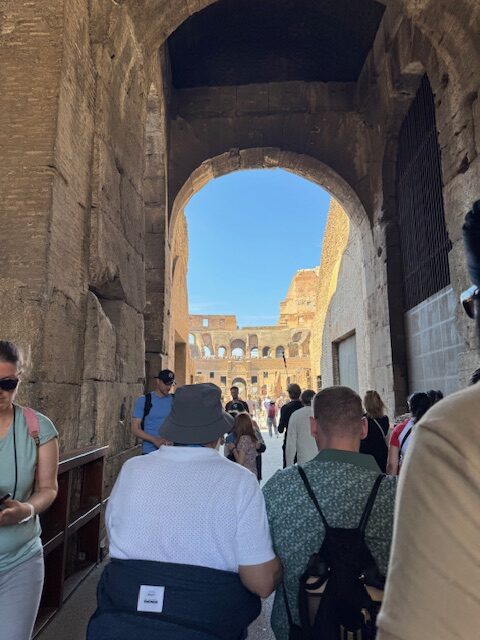
Entering the center. 

The white stone indicates special seats for the Roman Senate. 

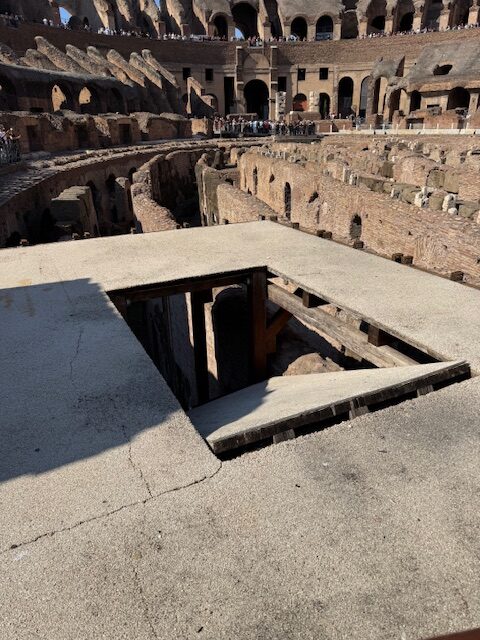
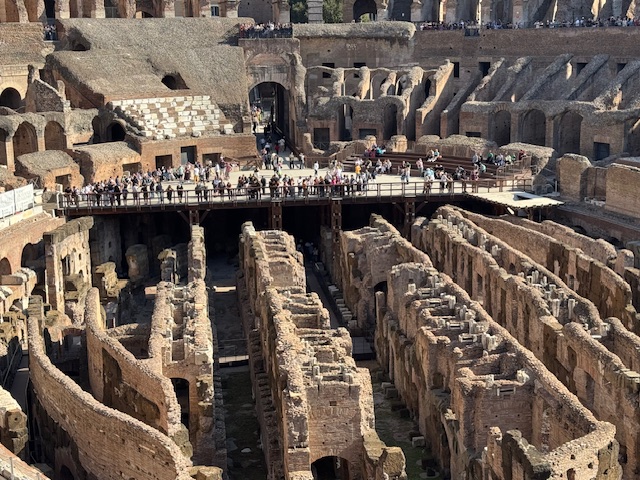
The maze like structure underground is where the fighters and wild animals were held before they “performed.” The trap door is an example of how they might have entered the performance floor, which is no longer in tact. 

Anther view of the under the ground walls that separated and held the human and animal fighters. You can see people standing on a more modern floor that stands where the old performance platform once was. The performance floor was made of wood planks with sand on top. They needed a substance that would soak up blood. 

Mamertine Prison

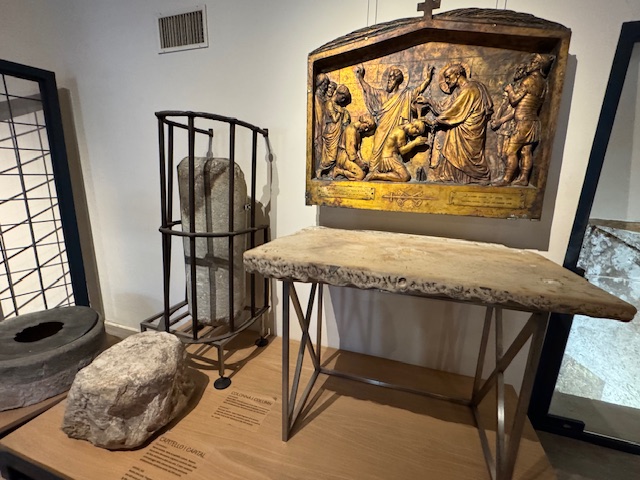
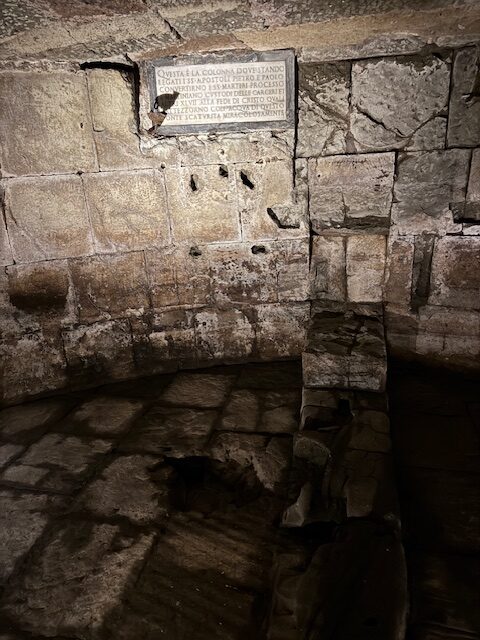
This was a small building but an important one. It is Rome’s oldest prison built in 7th century BC. It held high profile rebels, those who were awaiting execution. Christian tradition states that the apostles Peter and Paul were held here before they were martyred. 

It was difficult to get good pictures because everything was so close to eachother. 

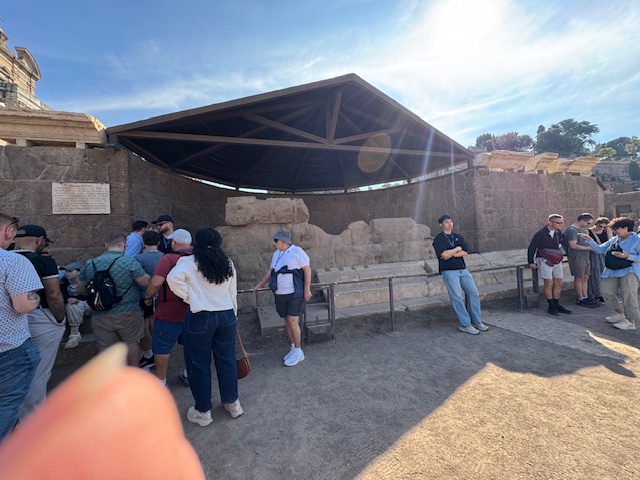
The caged pillar is supposedly the one that Peter was chained to while in prison here. 

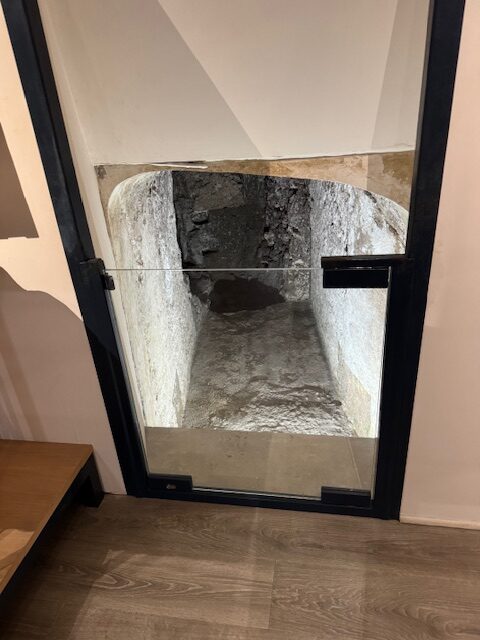
This is a circular cistern like dungeon underneath the prison museum. It is damp and collects even more water when they get a lot of rain. This is where the prisoners were held in chains. 

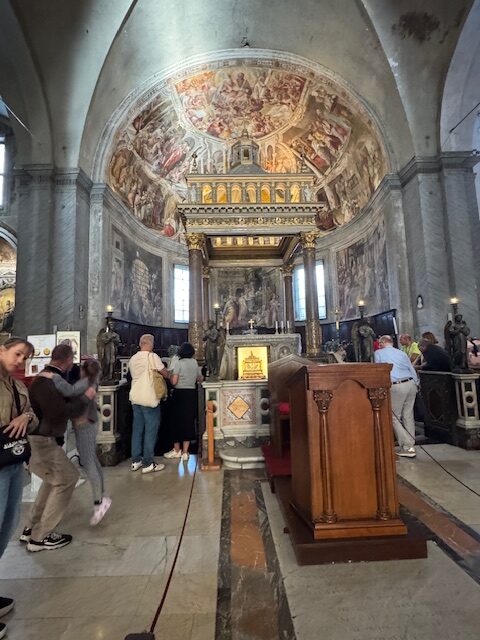
Basilica of St Peter In Chains

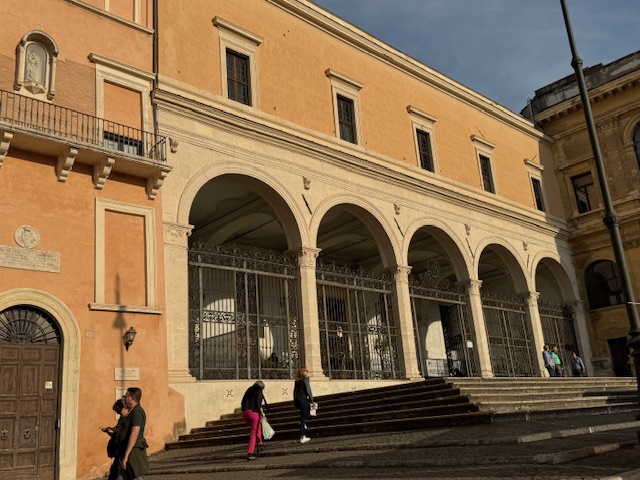
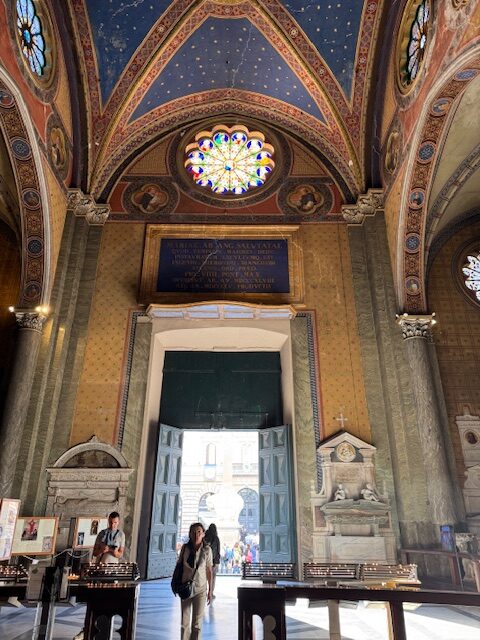
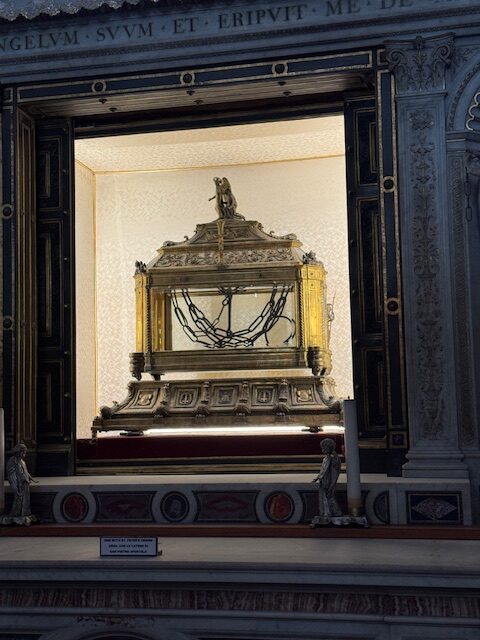
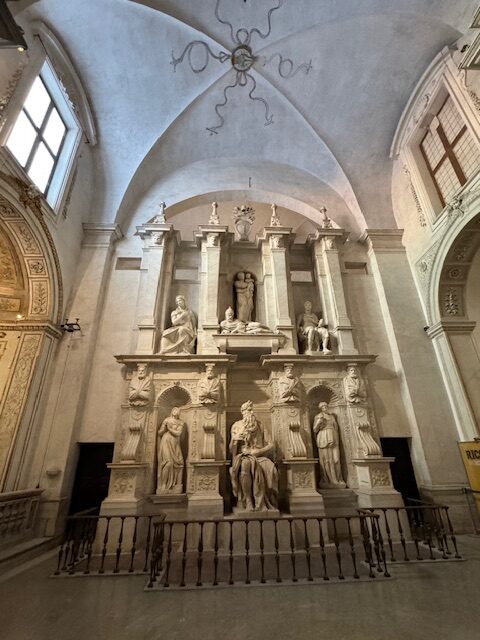
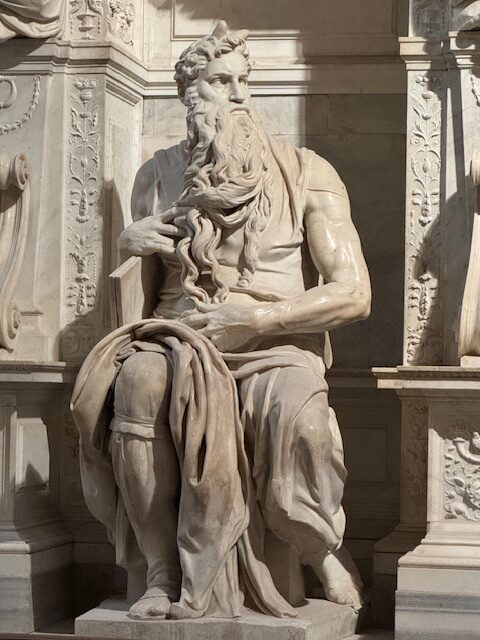
This is a small church not far from the Colosseum. I was on a quest to see as many Michelangelo sculptures as I could, so that is why we stopped here. It also displays the chains that held St Peter in prison. 

The outside looks nothing like a church. It was built around 432 AD.

The lit up yellow square in the middle of the picture are Peter’s chains. 

Michelangelo’s Moses

Michelangelo’s Moses

The End

Thank you for bearing with me as I present all my pictures!  I appreciate it. This was a special experience. This will probably be the closest I ever get to the Holy Land. I was blessed to walk where St Peter and St Paul once walked, and I am grateful! I hope you all are feeling blessed too this holiday season. 

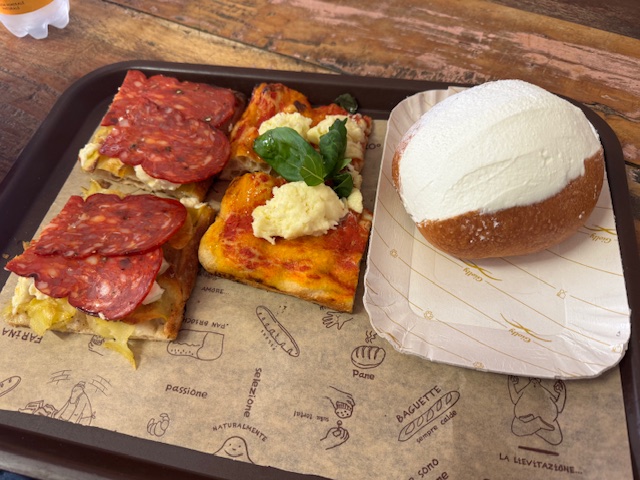
I am adding a few yummy food pictures for the perfect ending. 🙂

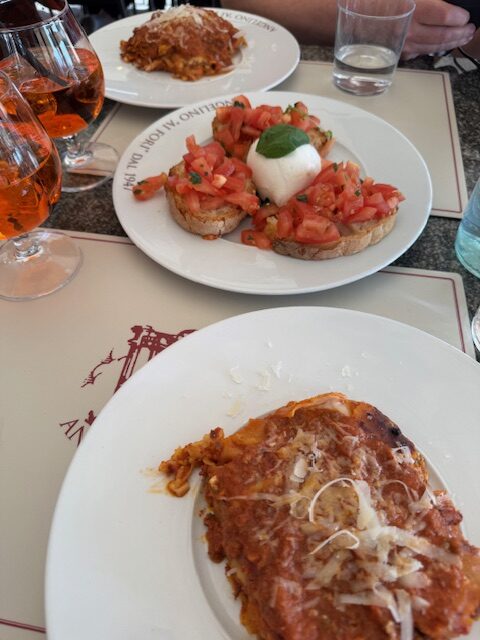
Lasagna and Bruschetta

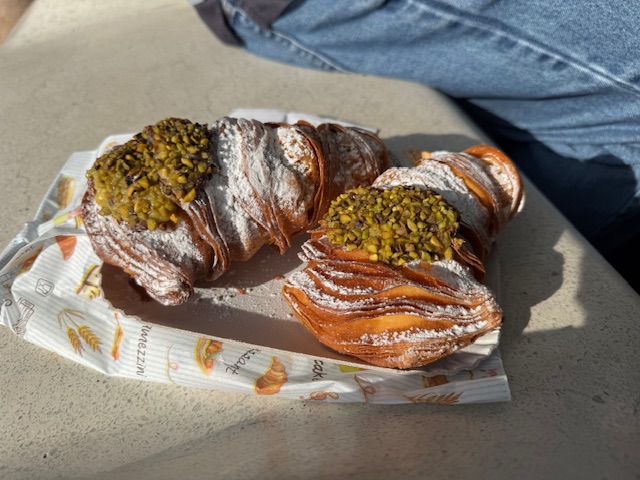
Pistachio Sfogliatelle.

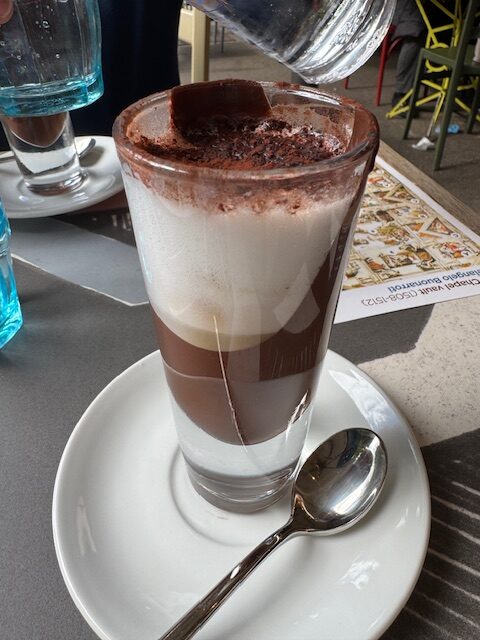
A fabulous coffee

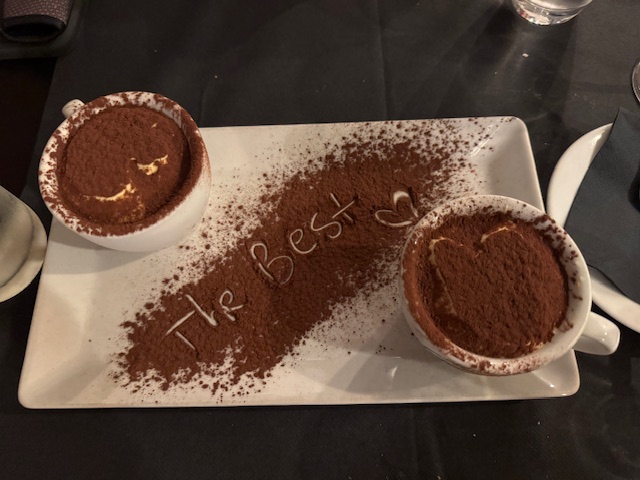
Tiramisu

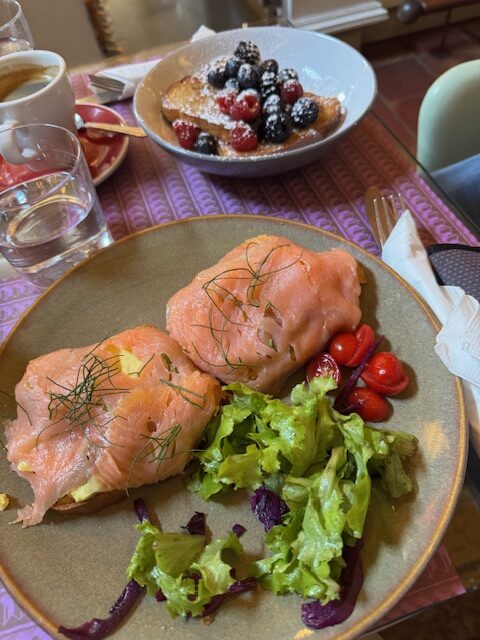
Salmon Avocado Toast. Jeremy had the fruit french toast in the background.

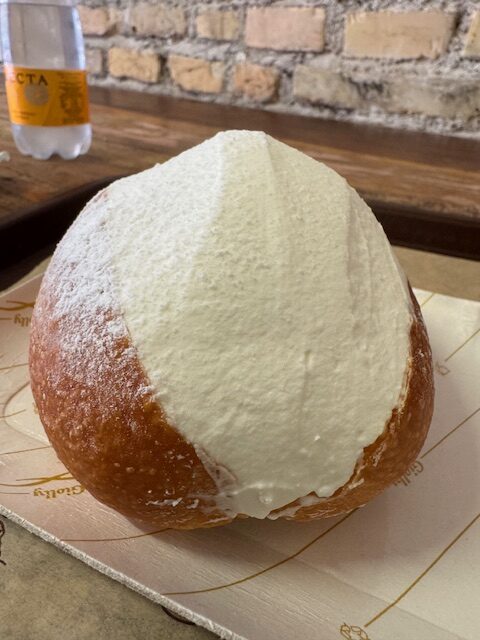
Maritozzi.  Bread filled with cream.

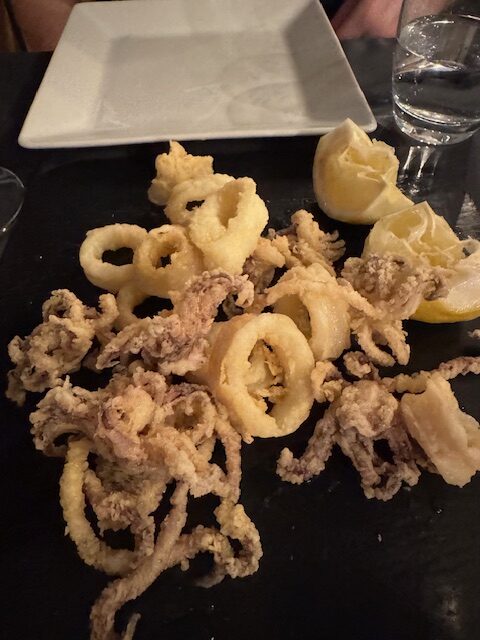
Calamari

Jodi

Thank you for joining me on my blog! I am a midwest mom of teenagers who just likes to share what I have learned. Whether I am writing about creating, eating, loss, or my faith, I hope that you can benefit from what I have come across over the years.
This Post Has One Comment

  1. Judi Meerman

    Your pictures brought back memories of our trip to Italy- what great photos.
Comments are closed.